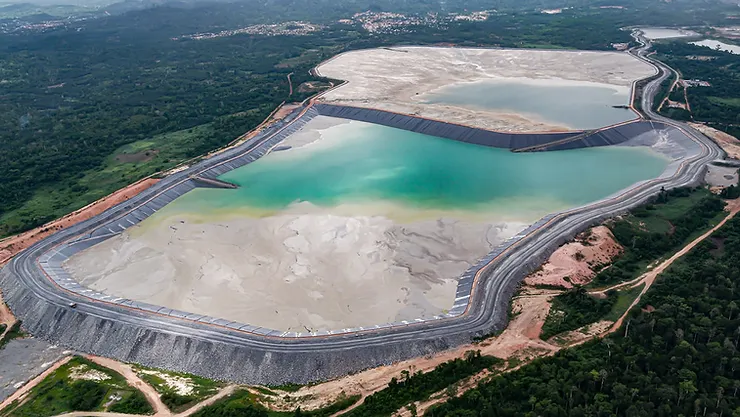
Tailings Dam Monitoring with InSAR & AI
Tailings Dam Monitoring: How Advanced Satellite Intelligence Is Transforming Tailings Dam Safety Tailings dams are among the most critical—and high-risk—structures

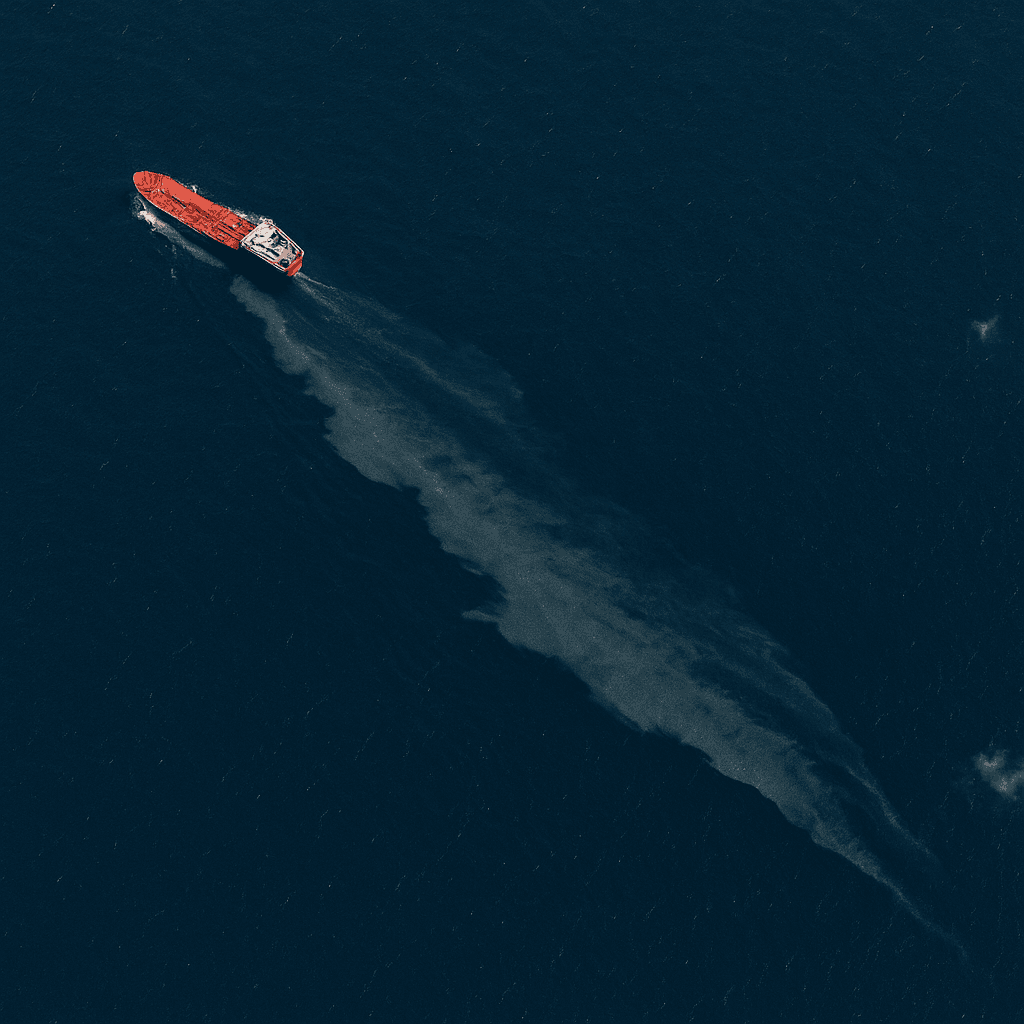
Oil spills are among the most destructive environmental disasters affecting oceans, rivers, and coastlines. When crude oil or refined petroleum products enter water systems, they spread rapidly across the surface, block sunlight, poison marine life, damage fisheries, and contaminate drinking water sources. Unlike land-based pollution, oil in water travels long distances with currents and wind, making cleanup difficult and long-term damage almost unavoidable.
Over the past century, several massive oil spills have reshaped environmental laws, shipping practices, and offshore drilling regulations. These incidents show how vulnerable aquatic ecosystems are to industrial accidents and how critical monitoring and response systems have become.
This article explores the largest oil spills in history that affected water bodies, their causes, their environmental impact, and what the world learned from them.
The Deepwater Horizon oil spill is the largest accidental marine oil spill in history.
In April 2010, an explosion on the Deepwater Horizon drilling rig killed 11 workers and caused a blowout at BP’s Macondo well nearly 1,500 meters below the sea surface. Over the next 87 days, an estimated 4.9 million barrels of oil leaked into the Gulf of Mexico.
Impact on Water and Marine Life
Oil spread across more than 180,000 square kilometers of ocean. It contaminated coastal wetlands, coral reefs, and fisheries. Thousands of marine animals including dolphins, sea turtles, and birds died. Fisheries were closed for months, and local tourism collapsed.
Long-Term Consequences
Toxic hydrocarbons settled on the seabed, damaging deep-sea ecosystems that recover very slowly. Studies later found genetic damage in fish and long-term reproductive harm in dolphins.
The largest oil spill in history by volume occurred during the Gulf War.
In 1991, retreating Iraqi forces deliberately released oil from Kuwaiti tankers and offshore terminals into the Persian Gulf. Between 6 and 8 million barrels of oil entered the sea.
Impact on Water
Oil covered more than 4,000 square kilometers of ocean and washed ashore along Saudi Arabia’s coast. Coral reefs, mangroves, and tidal flats were heavily contaminated.
Environmental Damage
Marine birds were coated in oil, fish populations declined, and oxygen levels in shallow waters dropped. Cleanup was limited due to wartime conditions, allowing oil to persist in sediments for years.
The Ixtoc I well blowout was one of the first major offshore drilling disasters.
A drilling platform operated by Mexico’s state oil company suffered a blowout in June 1979. Over the next ten months, around 3.3 million barrels of oil spilled into the Gulf of Mexico.
Impact on Water
Oil slicks drifted northward, contaminating Texas beaches and coastal lagoons in Mexico. Fishing and tourism were heavily affected.
Lessons Learned
The spill exposed the lack of international preparedness for offshore drilling accidents and led to new safety standards for well control systems.
In July 1979, two oil tankers collided during a tropical storm near Tobago.
The collision caused the Atlantic Empress to catch fire and sink, releasing approximately 2.2 million barrels of oil into the Caribbean Sea.
Impact on Water
Oil spread across open ocean waters, forming one of the largest slicks ever recorded. While much of it remained offshore, marine ecosystems suffered long-term exposure to toxins.
Significance
This spill demonstrated the danger of tanker traffic in storm-prone shipping routes and influenced navigation safety regulations.
A pipeline rupture in Uzbekistan’s Fergana Valley spilled approximately 2 million barrels of oil into rivers and irrigation canals.
Impact on Freshwater
Unlike many spills that occur at sea, this spill contaminated inland water systems used for drinking and farming. Oil flowed into agricultural fields and fish habitats.
Consequences
Thousands of hectares of farmland were polluted, and water supplies were disrupted for nearby communities.
During the Iran–Iraq War, an offshore platform in the Nowruz oil field was damaged by missile strikes.
Over several years, an estimated 1.5 million barrels of oil leaked into the Persian Gulf.
Impact on Water
Oil polluted shipping lanes and nearby coral reefs. Wartime conditions delayed repairs, allowing oil to leak continuously.
Environmental Damage
Marine species experienced long-term exposure, and fisheries declined significantly.
Although smaller in volume than others, the Exxon Valdez spill is one of the most infamous due to its location and ecological sensitivity.
The tanker ran aground in Alaska, spilling about 260,000 barrels of oil into cold coastal waters.
Impact on Water
Oil coated more than 2,000 kilometers of shoreline. The cold climate slowed natural breakdown of oil, prolonging contamination.
Ecological Effects
Sea otters, seals, and seabirds were severely affected. Some species took decades to recover.
The supertanker Amoco Cadiz ran aground off the coast of Brittany, France.
It released around 1.6 million barrels of oil into the Atlantic Ocean.
Impact on Water
Strong tides spread oil along more than 300 kilometers of coastline. Shellfish beds and fisheries were heavily damaged.
Economic Impact
Thousands of fishermen lost their livelihoods, and tourism declined for years.
The Spanish tanker Castillo de Bellver caught fire and sank off the coast of South Africa.
Around 1.7 million barrels of oil were released into the South Atlantic Ocean.
Impact on Water
Oil spread offshore and toward the Cape of Good Hope, threatening penguin colonies and fisheries.
Environmental Effects
Seabirds were heavily oiled, and cleanup operations were difficult due to rough seas.
The tanker Odyssey broke apart during a storm while traveling from Canada to the United Kingdom.
It released about 1 million barrels of crude oil into the open ocean.
Impact on Water
Oil dispersed across deep Atlantic waters, making recovery nearly impossible.
Significance
The accident highlighted the dangers of aging tankers operating in harsh weather.
The supertanker Torrey Canyon ran aground between England and France.
It spilled roughly 860,000 barrels of oil into the sea.
Impact on Water
Oil drifted onto beaches in both countries, polluting coastal waters and marine habitats.
Lessons Learned
This disaster led to the first international oil spill response regulations.
A crane barge struck the tanker Hebei Spirit off the coast of Taean.
About 78,000 barrels of oil were released into the Yellow Sea.
Impact on Water
Coastal waters and tidal flats were heavily polluted.
Economic Damage
Fishing and tourism industries suffered severe losses.
The tanker Prestige broke apart off the coast of Galicia during a storm.
It spilled approximately 77,000 barrels of oil into the Atlantic Ocean.
Impact on Water
Oil contaminated thousands of kilometers of European coastline.
Long-Term Damage
Marine biodiversity declined, and shellfish harvesting was suspended for months.
The tanker Erika sank in the Bay of Biscay during bad weather.
It released around 150,000 barrels of heavy fuel oil.
Impact on Water
Oil spread into coastal waters and estuaries.
Environmental Effects
Seabird populations suffered mass mortality.
The tanker Tasman Spirit ran aground near Karachi harbor.
It spilled about 35,000 barrels of oil into coastal waters.
Impact on Water
Oil contaminated beaches and fishing zones.
Health Effects
Air and water pollution caused respiratory problems for nearby residents.
The tanker Urquiola ran aground near the port of La Coruña.
About 100,000 barrels of oil were released into the sea.
Impact on Water
Coastal waters were polluted, damaging marine ecosystems.
Economic Impact
Local fisheries and port operations were disrupted.
The tanker ABT Summer exploded off the coast of Angola.
It spilled roughly 260,000 barrels of oil into the Atlantic Ocean.
Impact on Water
Oil drifted across open ocean waters.
Significance
It remains one of the largest tanker explosions in history.
The tanker Sea Empress ran aground entering Milford Haven harbor.
It released about 72,000 barrels of oil.
Impact on Water
Coastal waters and wildlife reserves were polluted.
Environmental Damage
Seabirds and seals suffered major losses.
The tanker Braer broke apart in stormy seas near the Shetland Islands.
Around 85,000 barrels of oil entered the North Sea.
Impact on Water
Oil spread through coastal waters and farmland.
Unique Outcome
Strong storms dispersed much of the oil naturally, reducing long-term damage.
The tanker Aegean Sea ran aground during a storm at La Coruña.
It spilled about 74,000 barrels of oil.
Impact on Water
Oil polluted harbor waters and nearby beaches.
Economic Effects
Fishing and tourism declined sharply.
A ruptured pipeline released oil into the Kolva River system.
Approximately 100,000 barrels of oil entered freshwater ecosystems.
Impact on Water
Rivers and wetlands were contaminated.
Environmental Damage
Fish populations declined significantly.
The tanker Sanchi collided with another ship and caught fire.
It spilled condensate oil into the East China Sea.
Impact on Water
Oil spread across busy shipping lanes and fishing zones.
Significance
This spill raised concerns about chemical oil toxicity.
An offshore platform leaked oil for over ten weeks.
Around 30,000 barrels of oil entered the sea.
Impact on Water
Coral reefs and fisheries were affected.
Environmental Effects
Marine species experienced long-term exposure to toxins.
A blowout on an offshore platform released oil into coastal waters.
Roughly 80,000 barrels of oil spilled.
Impact on Water
Beaches and marine life were polluted.
Political Impact
The spill helped launch the modern environmental movement.
A pipeline rupture released heavy crude into the Kalamazoo River.
Over 20,000 barrels of oil entered freshwater systems.
Impact on Water
River ecosystems were contaminated for years.
Cleanup Challenges
Sunken oil made recovery extremely difficult.
Repeated pipeline leaks and sabotage release oil into rivers and creeks.
Millions of barrels have entered water systems over decades.
Impact on Water
Mangroves and fisheries are heavily polluted.
Human Impact
Communities lost drinking water and fishing livelihoods.
A fuel tank collapsed near Norilsk, releasing diesel into rivers.
About 21,000 tons of fuel entered Arctic waterways.
Impact on Water
Rivers and tundra wetlands were contaminated.
Environmental Concern
Cold temperatures slowed natural breakdown of pollutants.
The bulk carrier Wakashio ran aground on a coral reef.
Over 1,000 tons of oil leaked into lagoon waters.
Impact on WaterCoral reefs and lagoons were polluted.
Ecological Damage
Fish and seabirds were severely affected.
Gulf of Mexico and Gulf Coast (Texas to Florida)
This is the biggest hotspot for large-volume U.S. water spills because it combines offshore drilling, dense shipping routes, and coastal wetlands. NOAA’s list is dominated by Gulf events, including Deepwater Horizon (Gulf of Mexico, 2010) at 133,980,000 gallons (3,190,000 barrels) and Ixtoc 1 (Gulf of Mexico, 1979) at 126,000,000 gallons (3,000,000 barrels). Louisiana and Texas also show up repeatedly through tanker incidents, barges, refinery events, and storm-driven releases.
Alaska and Cold-Water Coasts (Prince William Sound, Aleutians and nearby waters)
In colder regions, oil can persist longer because natural breakdown is slower and shorelines are harder to access. The best-known example is Exxon Valdez (Alaska, 1989) at 11,000,000 gallons (261,905 barrels), which heavily impacted sensitive coastal habitats. NOAA’s table also includes other Alaska-area spills, including large barge incidents.
U.S. West Coast (California and Washington)
The West Coast region reflects a mix of offshore production history, major ports, and coastal shipping lanes. On NOAA’s list, Santa Barbara (California, 1969) appears at 4,000,000 gallons (95,238 barrels) from an oil platform incident, and Washington’s Cape Flattery area appears with major ship-related spills like USS General M.C. Meigs (1972) and Tenyo Maru (1991).
U.S. East Coast (Mid-Atlantic and New England)
The East Coast spills often tie to tanker routes, busy harbors, and narrow coastal passages. NOAA’s list includes Argo Merchant (near Nantucket, Massachusetts, 1976) at 7,700,000 gallons (183,333 barrels), plus major spill points in places like Cape Hatteras and the Delaware River corridor.
Caribbean U.S. Waters (Puerto Rico and U.S. Virgin Islands)
This region stands out because several of the largest U.S.-waters incidents happened around island shipping lanes and port approaches. NOAA lists Epic Colocotronis (Puerto Rico, 1975) at 18,000,000 gallons (428,571 barrels) and other major Puerto Rico/USVI events such as Zoe Colocotroni (1973), Zannis (1974), and Santa Augusta (St. Croix, USVI, 1971).
Inland Rivers and Great Lakes-connected waterways (Freshwater spills)
Large spills are not only an ocean problem. NOAA’s list includes major inland events such as the Schuylkill River Spill (Pennsylvania, 1972) at 7,000,000 gallons (166,667 barrels) and the Ashland Petroleum spill (Monongahela River, 1988) at 3,800,000 gallons (90,476 barrels). These incidents can threaten drinking water intakes, wetlands, and river fisheries—and cleanup can be complicated when oil mixes into sediments
XRTech Group delivers an advanced, all-weather ecosystem for satellite oil spill detection and monitoring, powered by a global constellation of more than 130 Earth-observation satellites and integrated UAV (drone) surveillance systems. By combining Synthetic Aperture Radar (SAR), high-resolution optical imagery, and AI-driven analytics, XRTech enables maritime authorities, environmental agencies, and energy companies to rapidly detect, track, and mitigate oil spill incidents across oceans, coastal zones, and inland waters.
This multi-sensor approach ensures continuous visibility of spill events, even in challenging conditions such as heavy cloud cover, nighttime, or storm systems.
The core technology behind XRTech’s maritime monitoring capability is Synthetic Aperture Radar (SAR). Unlike optical sensors that depend on sunlight and clear skies, SAR is an active imaging system that generates its own signal, allowing it to penetrate clouds, fog, smoke, and darkness.
Gaofen-3 (GF-3) SAR Constellation
This C-band SAR constellation delivers stable, high-resolution imagery (up to 1 meter) and is specifically designed for marine pollution monitoring, including oil slick detection and vessel surveillance.
Automated Spill Identification
XRTech’s processing system automatically analyzes SAR backscatter patterns to distinguish oil slicks from natural phenomena such as algae blooms or low-wind zones.
Persistent Monitoring
With revisit frequencies of up to 25 times per day using integrated satellite assets such as SuperView Neo, XRTech ensures continuous situational awareness and early detection of newly formed spills.
XRTech extends beyond basic detection by transforming raw satellite data into actionable intelligence through AI and oceanographic modeling.
Spill Drift Prediction
By combining SAR observations with ocean current, wind, and wave models, XRTech can forecast the future movement of oil slicks. This enables response teams to plan containment strategies, protect sensitive coastlines, and deploy resources efficiently.
Rapid Data Delivery
For emergency events, XRTech can supply analysis-ready imagery and interpreted products within 24 hours. During major incidents, XRTech’s partner China Siwei has distributed nearly 200 satellite scenes within four days, supporting real-time disaster response operations.
While satellites provide regional and global coverage, XRTech’s 5G-connected UAV platforms offer high-precision, real-time monitoring at local scales.
Rapid On-Site Assessment
Drones can be deployed immediately after spill alerts to deliver live aerial imagery, helping emergency teams map spill boundaries and minimize human exposure to hazardous zones.
Environmental Surveillance
Energy companies, including Saudi Aramco, use UAV systems to monitor vegetation stress, detect hydrocarbon leaks, and assess pipeline corridors across extensive infrastructure networks.
Thermal Leak Detection
Specialized UAVs equipped with thermal sensors such as DJI M30T and Autel EVO Max series can identify abnormal temperature signatures linked to leaking fluids, even under low-light or night conditions.
• Maritime Domain Awareness
Continuous monitoring of shipping routes to detect illegal oil discharge and suspicious ship-to-ship transfers, including “dark activity” where AIS signals are disabled.
• Offshore Infrastructure Safety
All-weather monitoring of offshore platforms and subsea pipelines using SAR and InSAR to detect structural deformation, leakage risks, and seabed instability.
• Environmental Stewardship
Long-term tracking of oil spill impacts on mangroves, coral reefs, wetlands, and coastlines, with verification of restoration and remediation outcomes.
XRTech provides flexible pricing based on resolution, urgency, and data freshness.
| Resolution | Standard Archive (≥90 days) | New Tasking | Emergency Collection |
|---|---|---|---|
| 30 cm (Super High Resolution) | $20 / km² | $30 / km² | $80 / km² |
| 50 cm (Very High Resolution) | $14 / km² | $22 / km² | $66 / km² |
| 1 m (SAR Imagery) | Custom Quote | Custom Quote | Custom Quote |
Minimum order sizes typically range from 25 km² to 100 km², depending on tasking priority and satellite availability.
• Rapid Response
Average response time of 1.5 hours and delivery within 1 hour for urgent monitoring requests.
• All-Weather Reliability
SAR imaging ensures uninterrupted surveillance during monsoon seasons, storms, and nighttime operations.
• No Export Restrictions
As a non-U.S. provider, XRTech avoids export-control bottlenecks, enabling faster international data delivery for emergency responders.
• Interoperable Data Products
Outputs are delivered in industry-standard formats such as GeoTIFF, SHP, and DWG, ensuring seamless integration into GIS platforms and emergency management systems. Contact us now!
Tailings Dam Monitoring: How Advanced Satellite Intelligence Is Transforming Tailings Dam Safety Tailings dams are among the most critical—and high-risk—structures
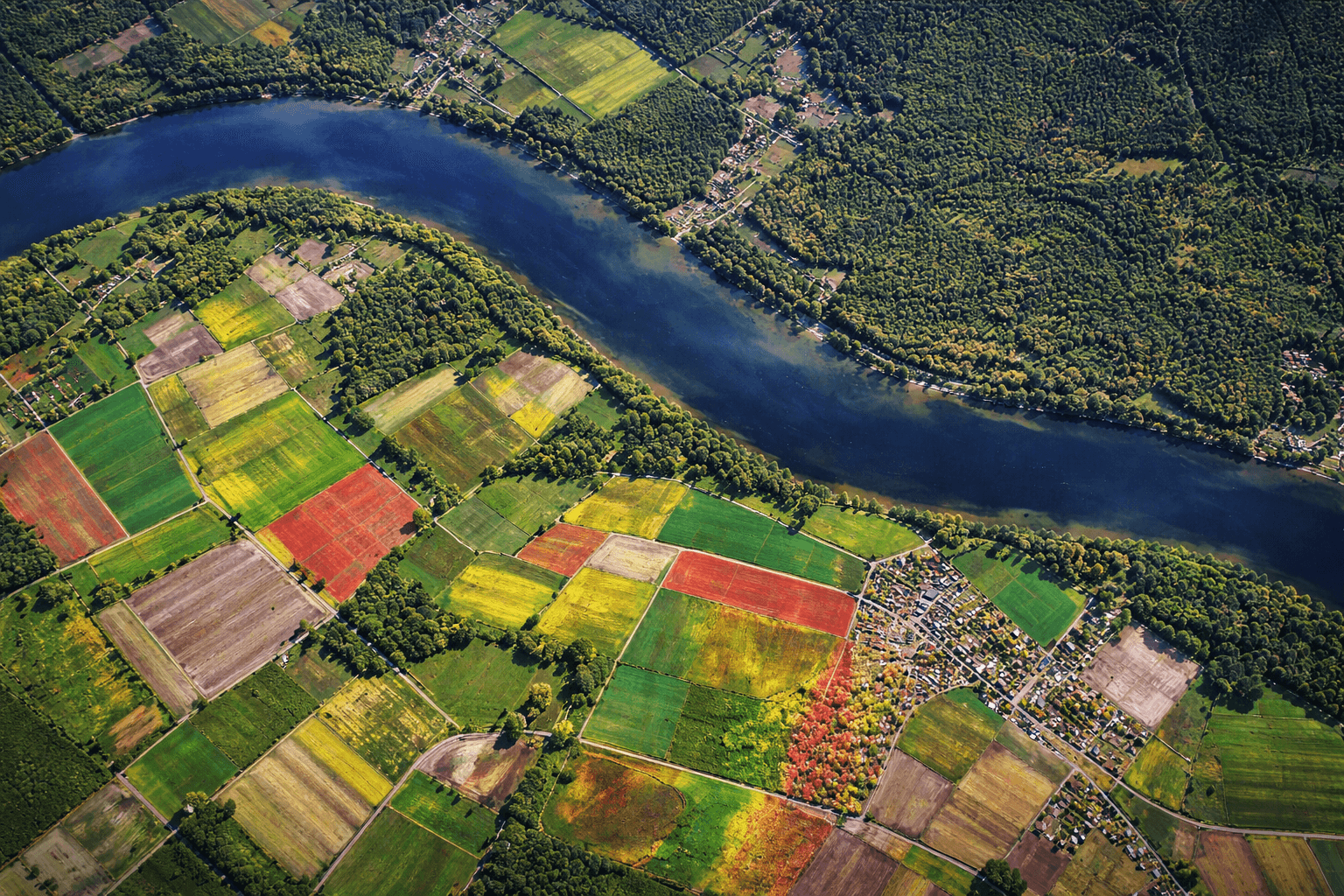
From Visible Light to Spectral Intelligence in Modern Satellite Remote Sensing Satellite imaging has moved beyond photography. For decades, Earth