
Synthetic aperture radar
All-Weather SAR Satellite Imagery and SAR Data
Monitor any location on Earth with high-resolution Synthetic Aperture Radar (SAR). Our SAR data sees through clouds, smoke and darkness, for truly persistent monitoring of sites, borders, coastlines and infrastructure.
1m
GF-3 Spotlight resolution
1 to 2mm
InSAR deformation accuracy
24/7
Day, night and all weather
L, C, X
Radar bands available
Definition
What Is Synthetic Aperture Radar (SAR)?
Synthetic Aperture Radar (SAR) is an active satellite sensor that sends its own microwave pulses to the ground and records the echoes. Because it does not rely on sunlight, SAR satellite imagery can be captured day or night and through cloud, rain, fog and smoke.
XRTech Group supplies SAR data through its partnership with China Siwei, combining C-band GF-3, L-band LT-1 and X-band sources. Compare with free Sentinel-1 SAR data, which offers wider but coarser coverage.
See Through Clouds and Smoke
Microwaves pass through cloud, monsoon rain, tropical fog and smoke, so imaging continues when optical satellites are blind. For clear-sky detail in natural colour, optical imagery is the better buy.
24/7 Monitoring Capability
SAR provides its own illumination, so it works equally well day and night for persistent surveillance of sites, borders and maritime routes.
Detect Millimetre-Scale Changes (InSAR)
Interferometric SAR (InSAR) detects surface movement as small as 1 to 2mm, essential for deformation, subsidence and geohazard monitoring.
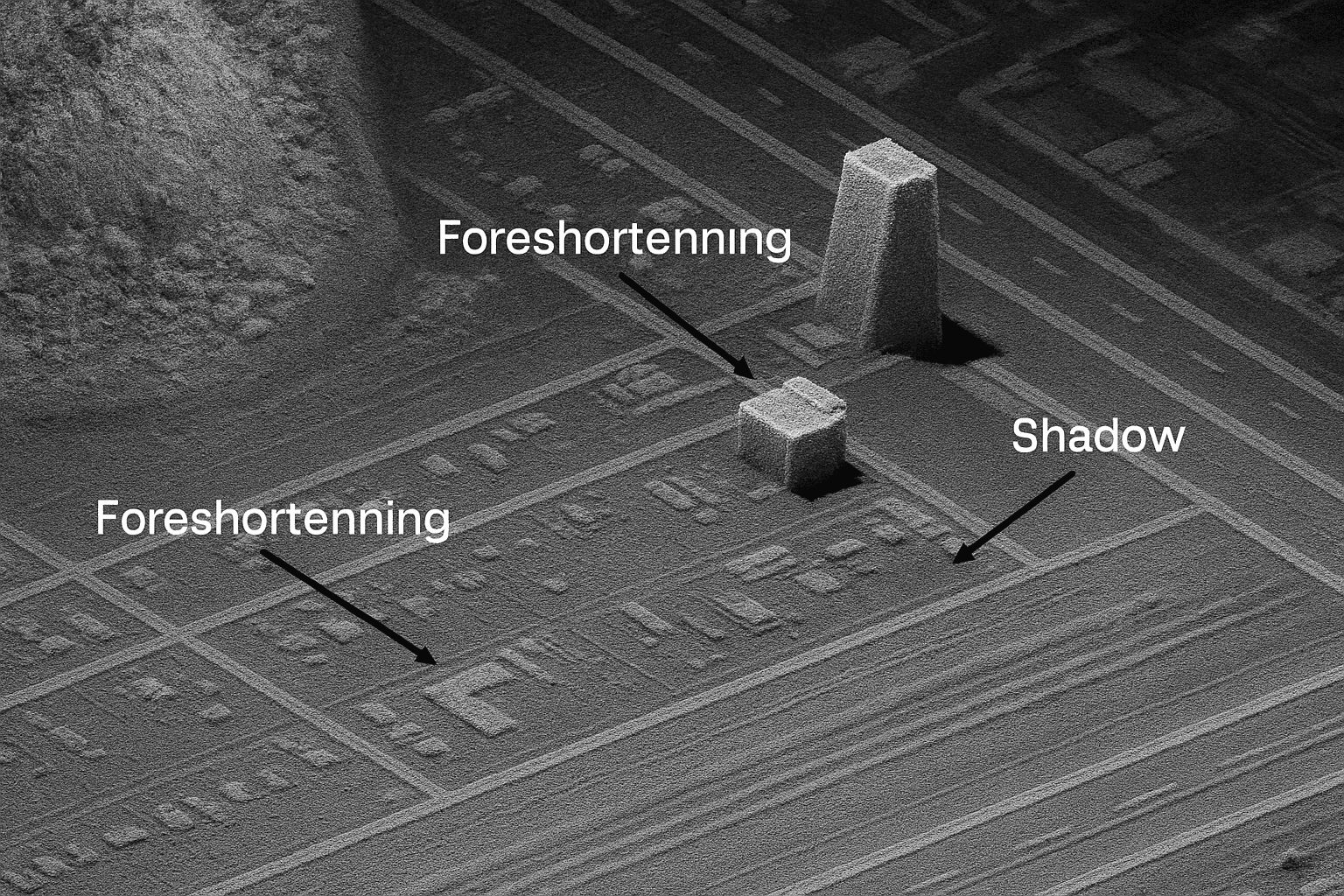
SAR records geometry, not colour: tall objects lean towards the sensor (foreshortening) and cast radar shadows
SAR vs optical
SAR Satellite Imagery vs Optical Imagery
Both are valuable, and they work best together. Here is how synthetic aperture radar compares with optical satellites.
Feature
SAR (radar)
Optical
Illumination
Active: sends its own microwave signal
Passive: needs reflected sunlight
Clouds, smoke and rain
Sees through them
Blocked by cloud and smoke
Night imaging
Yes, 24/7
Daylight only
What it measures
Surface roughness, structure, moisture and, with InSAR, millimetre movement
Colour and reflectance, as the eye sees it
Best for
Floods, ships, oil spills, deformation, persistent monitoring
Visual interpretation, mapping, vegetation health, feature ID
Interpretation
Greyscale, needs specialist analysis
Intuitive, natural colour
Why XRTech
The XRTech Advantage in SAR Data
We provide more than just SAR satellite imagery. We deliver a reliable, high-performance data service that supports your mission.
01
Vast Constellation Access
Our partnership with China Siwei gives access to 130+ satellites, including a strong fleet of SAR and optical sensors for wide, reliable coverage.
02
Rapid and Reliable Delivery
A cloud-based system supports a 1.5-hour response and 1-hour data delivery. As a non-U.S. provider, we avoid export licence delays, so SAR data reaches you faster.
03
Multi-Sensor Integration
We fuse SAR data with optical imagery and DEM and DSM elevation data to create enhanced products and accurate true 3D models.
04
Flexible Imaging Capabilities
Multiple modes (Spotlight, Stripmap, ScanSAR) and polarizations (single, dual, full) across L, C and X-bands, tailored to your exact needs.
05
Timely, High-Resolution Data
High-resolution SAR imagery delivered within hours of acquisition, so the intelligence you receive is precise and current.
06
Global Access
Our ground stations and satellite network upload tasking commands worldwide within 3 hours, giving access to SAR data almost anywhere on the globe.
Satellite constellations
Some of Our Many Earth Observation Satellite Constellations
A diverse fleet of SAR and optical satellites with different modes, resolutions and polarizations to meet any project requirement.

C-band SAR
GF-3 Constellation
A versatile C-band SAR with 12 imaging modes and resolution down to 1m. GF-3 delivers stable, high-resolution SAR data for ocean surveillance, oil spill tracking, flood assessment and disaster response.
Resolution
1m to 500m
Swath width
10km to 650km
Polarization
Single, dual, full (HH, HV, VH, VV)
Revisit
Under 1 day (constellation)
Beam mode
Resolution (m)
Swath (km)
Polarization
Spotlight
1
10
Single
Ultra Fine Stripmap
3
30
Single
Fine Stripmap 1
5
50
Dual
Fine Stripmap 2
10
100
Dual
Fine Quad-Pol
8
30
Full
Standard Quad-Pol
25
40
Full
ScanSAR (Wide)
100
500
Dual
Global ScanSAR
500
650
Dual
Wave
10
5
Full

L-band SAR
LT-1 Constellation (A/B)
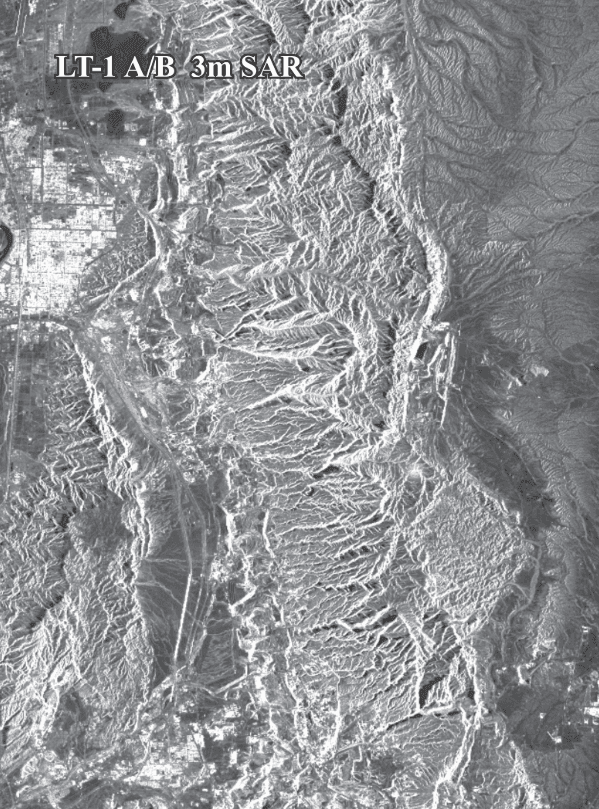
The world's first dual L-band SAR formation dedicated to surface deformation interferometry. LT-1 captures 3m imagery, measures ground displacement with 1 to 2mm accuracy and produces global 1:50,000 elevation models.
Resolution
3m to 30m
Swath width
30km to 400km
InSAR accuracy
1 to 2mm ground displacement
Revisit
4 days (pair), 8 days (single)
Imaging mode
Res. (m)
Swath (km)
Polarization
Mission
Strip Mode 1
3
50
Single
Single/dual interferometry, DEM
Strip Mode 2
12
100
Single
Single/dual interferometry
Strip Mode 4
6
30
Full
Single satellite imaging
Scan Mode
30
400
Single
Single satellite imaging
Optical stereo
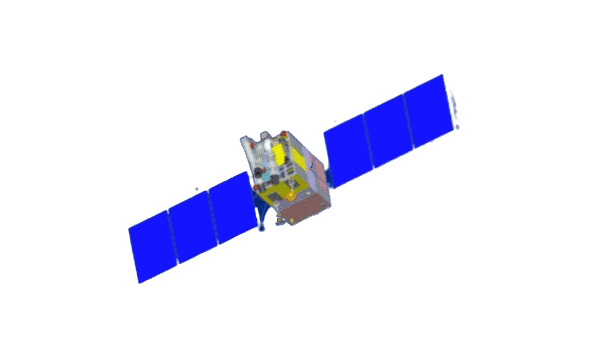
ZY-3 Constellation
China's first civilian stereo mapping constellation, with three high-resolution panchromatic cameras and a multispectral scanner. Its main mission is building 1:50,000 DEM databases and supplying data for mapping and land surveys.
Attribute
ZY-3 01/02
ZY-3 03
PAN nadir
2.1m
2.1m
PAN fwd / bwd
3.5m / 2.5m
2.7m
Multispectral
5.8m
6m
Swath width
51 to 52km
51 to 52km
Revisit
5 days single, 1 to 2 days constellation
5 days single, 1 to 2 days constellation
Spectral bands: panchromatic 450 to 900nm, blue 450 to 520nm, green 520 to 590nm, red 630 to 690nm.

Optical multispectral
CBERS Constellation
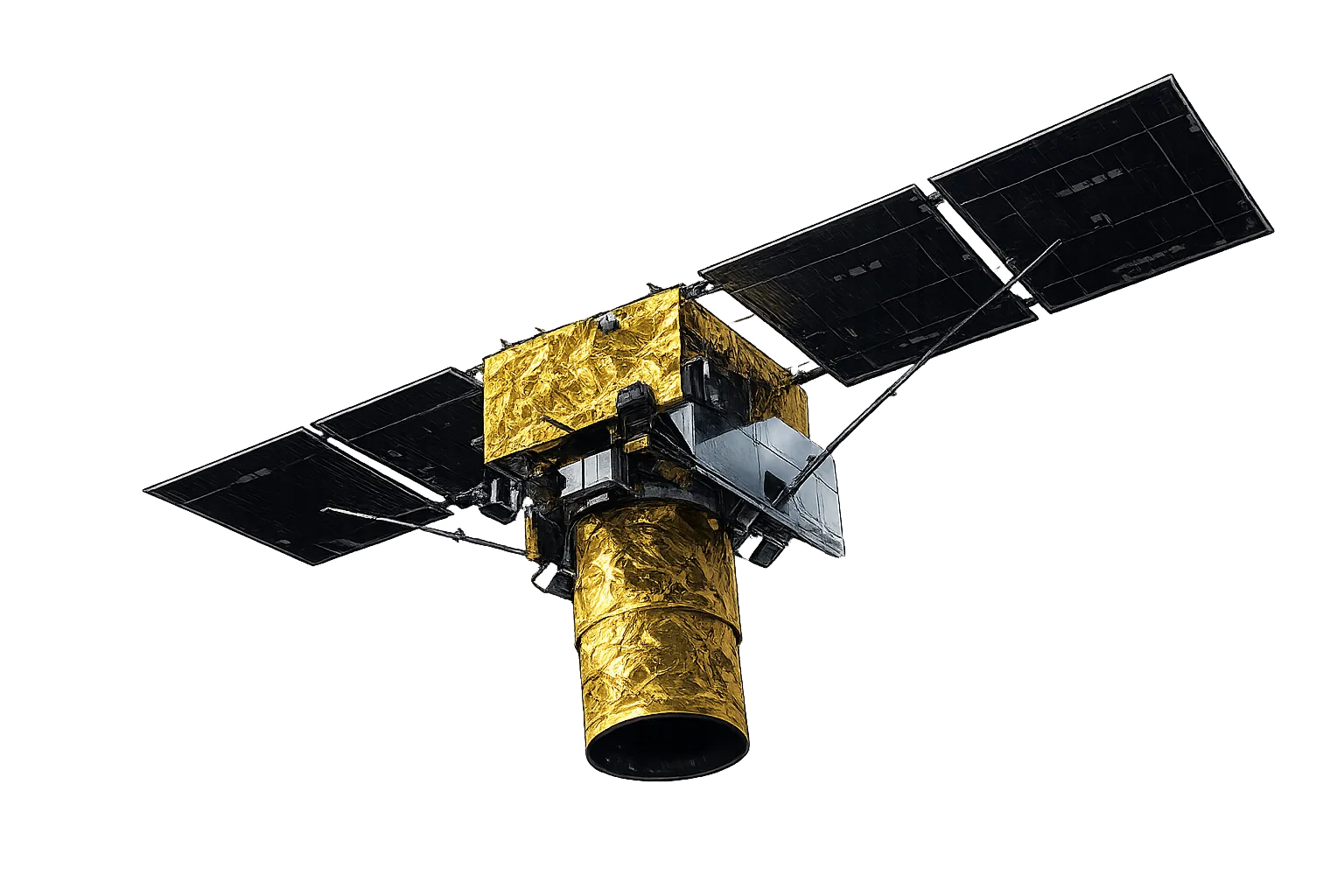
A versatile constellation carrying multiple cameras (WPM, MUX, IRS, WFI) across a range of resolutions. CBERS supports land and water resource surveys, crop yield estimation and environmental protection.
Attribute
CBERS-04
CBERS-04A
WPM resolution
PAN 5m / MS 10m
PAN 2m / MS 8m
MUX resolution
20m
17m
WFI resolution
73m
60m
Swath (WPM)
60km
95km
Swath (MUX)
120km
92km
L, C and X-band
Extended SAR Fleet Options
Beyond GF-3 and LT-1, we source SAR data across L, C and X-band wavelengths, including radar satellites within the 28-satellite SuperView Neo commercial system, so each project gets the right band for penetration, detail and revisit.
X-band
Highest detail for urban areas, ships and structures
C-band
Oceans, floods, oil spills and agriculture
L-band
Penetrates vegetation; best for InSAR deformation
Delivery and processing
SAR Data Delivery and Processing
Fast tasking, cloud processing and ready-to-use formats, so SAR data moves from satellite to your GIS without delay.
01
1.5-Hour Response, 1-Hour Delivery
Automated processing on the Siwei Earth cloud supports a 1.5-hour response time and 1-hour data delivery for urgent requests.
02
Global Tasking Within 3 Hours
A worldwide ground station network uploads satellite commands anywhere on the globe within 3 hours.
03
Multi-Sensor Data Fusion
SAR layers are fused with high-resolution optical imagery and DEM or DSM elevation data for multi-source analysis.
04
GIS-Ready Formats
GeoTIFF, SHP, DWG and IMG outputs in WGS84, UTM or custom coordinate projections.
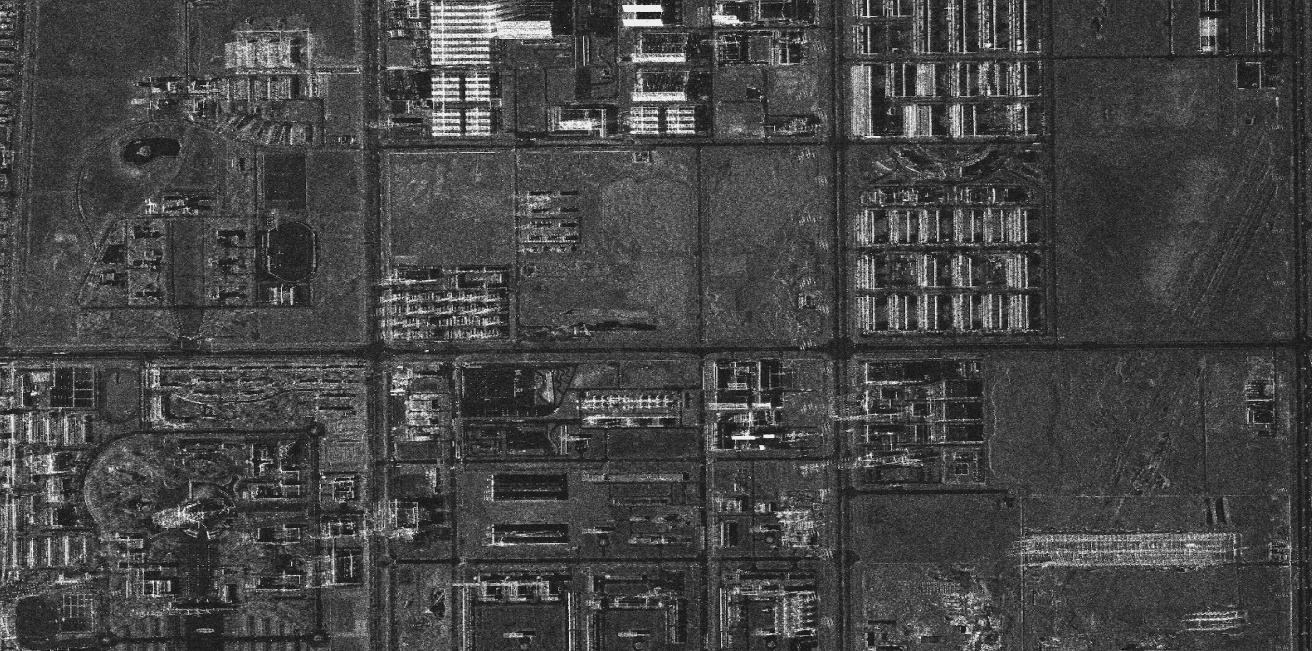
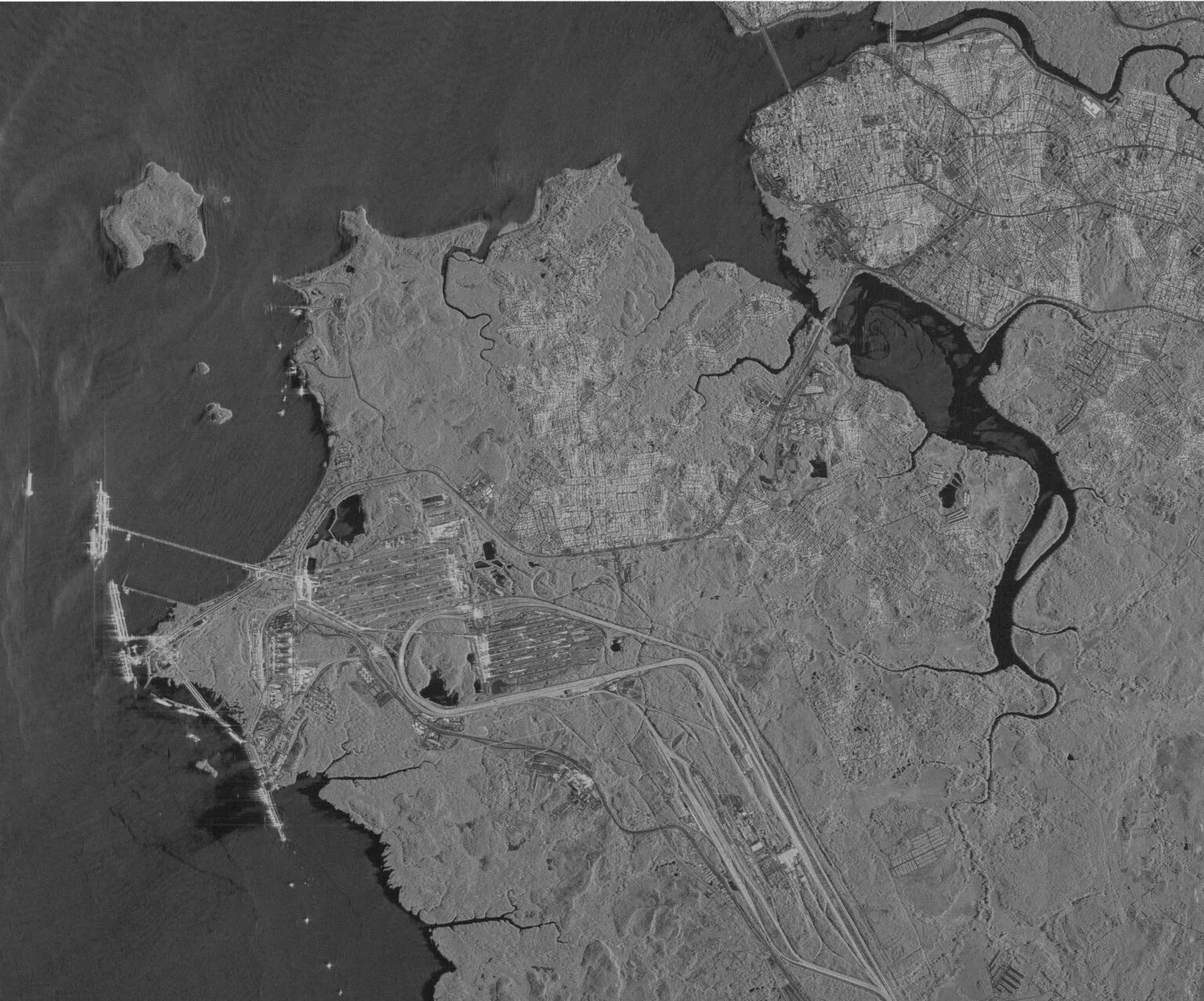
High-resolution SAR scene of an industrial district: bright returns mark buildings and metal structures
Applications
Empowering Critical Missions with SAR Data
From national security to environmental protection, our SAR satellite imagery provides the actionable intelligence needed for decisive action.
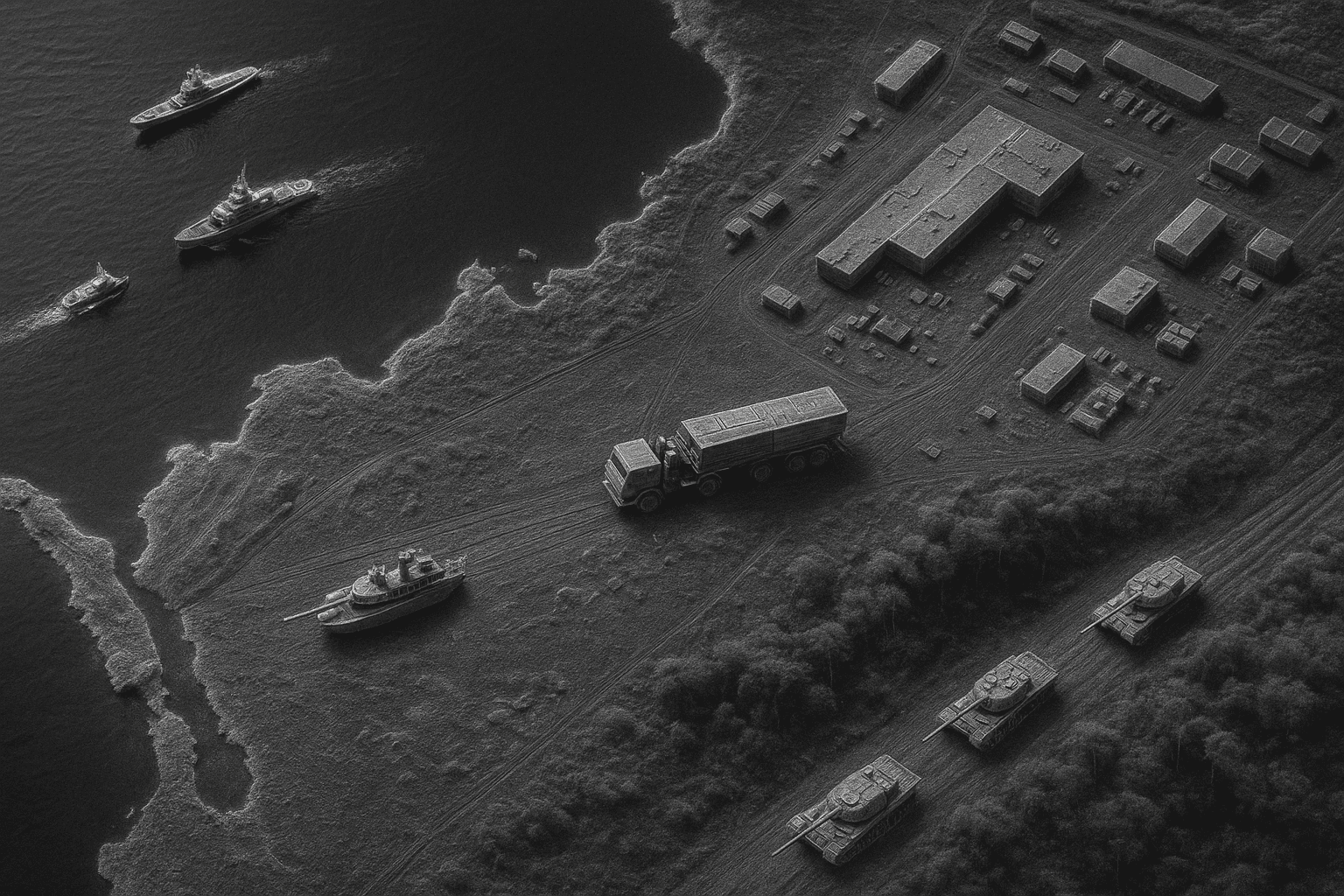
Military and Intelligence
Conduct reconnaissance, detect targets and monitor activity with AI-assisted image analysis, backed by reliable all-weather SAR data on sensitive areas and asset movements.
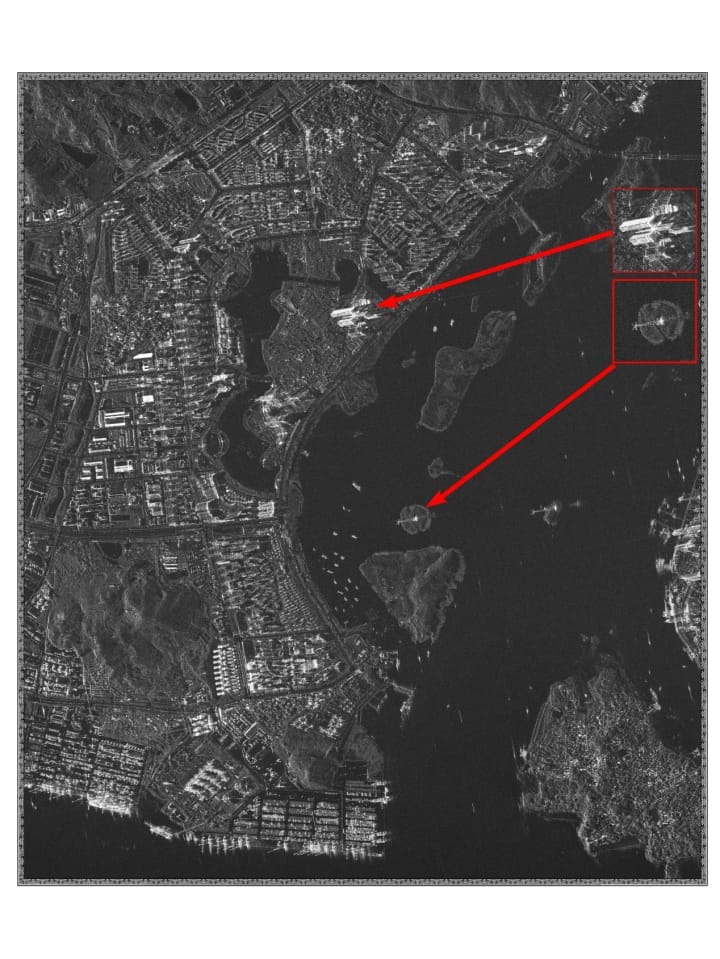
Maritime Domain Awareness
Monitor ports and sea lanes, track vessels and spot dark ships that switch off their transponders. SAR is essential against illegal fishing and smuggling, day or night.
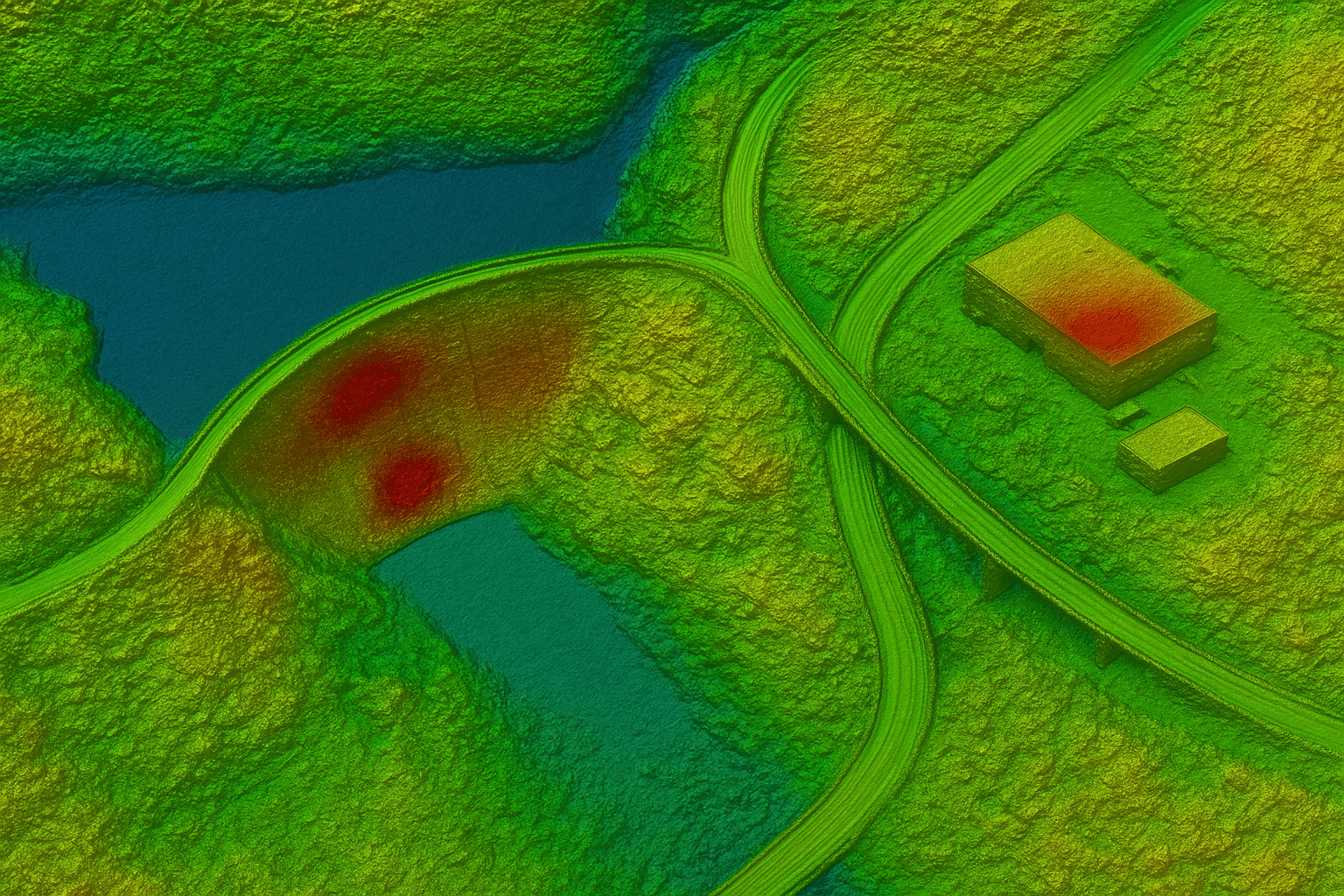
Strategic Infrastructure Monitoring
Use InSAR to track millimetre deformation and subsidence on dams, bridges, pipelines, rail corridors and tailings dams, and catch risks before they become failures.
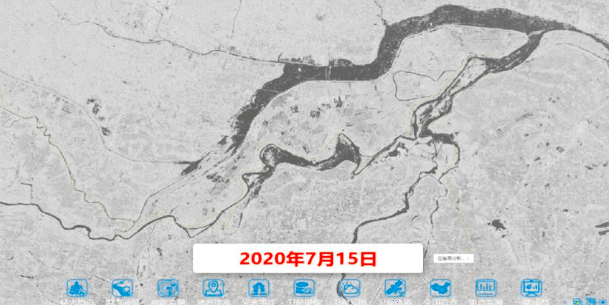
Disaster Management
All-weather monitoring of floods, landslides and volcanic activity, mapping flood extent and waterlines when monsoon cloud or smoke blinds optical imagery.
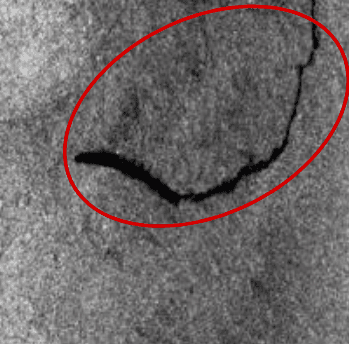
Oil Spill and Environmental Monitoring
Automatically identify oil spills and predict their drift, watch pipeline corridors for erosion and encroachment, and monitor deforestation in persistently cloudy regions.
Border and Site Activity Monitoring
Know what is happening at borders and strategic sites. Detect changes, vehicle movements and unauthorised activity with frequent revisits and reliable imaging.
Case studies
SAR in Action: Real-World Case Studies
How SAR data has supported decisions when optical satellites could not.
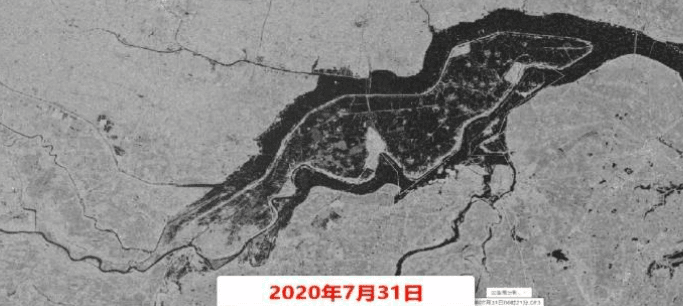
Flood Area Monitoring, China
During a major flood season in China, GF-3 was tasked over a flood-stricken region. The SAR satellite imagery cut through persistent cloud cover and heavy rain, giving continuous, all-weather support for mapping inundation and planning relief.
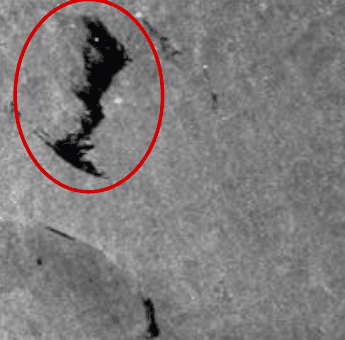
Marine Oil Spill Monitoring
Our maritime oil spill monitoring system uses SAR remote sensing to identify spill areas automatically. Combined with ocean current models, it predicts how a spill will spread, helping teams plan containment and limit environmental damage.
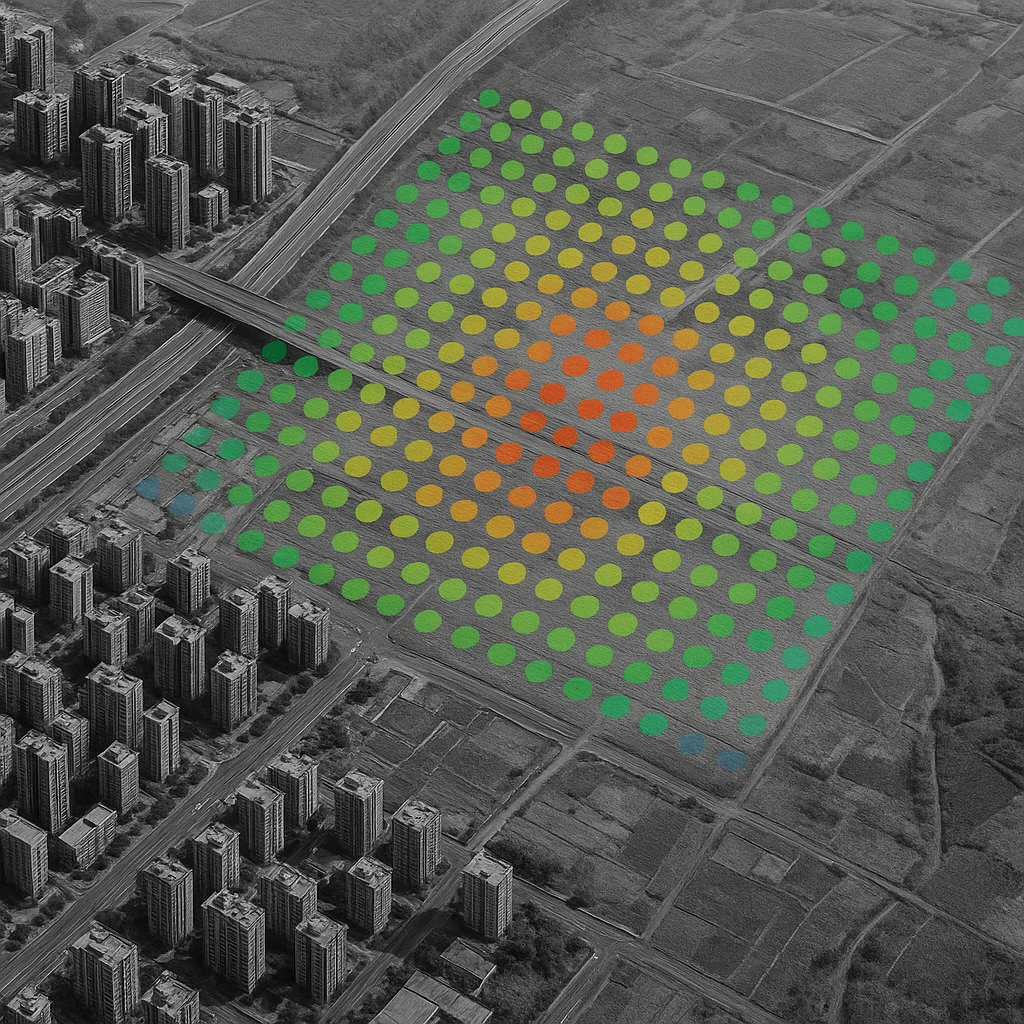
Infrastructure Deformation Monitoring (InSAR)
InSAR from our SAR satellites provides periodic deformation monitoring for pavements, railways, airports and urban infrastructure. This high-accuracy, low-cost approach identifies hidden hazards early, before they become failures.
Dam Safety Inspection, Egypt
Quarterly InSAR safety inspections of the Aswan Dam in Egypt track millimetre-scale movement on the dam and its surroundings, giving engineers a regular, independent check on structural stability.
FAQ
SAR Data Questions Answered
Straight answers about synthetic aperture radar, resolution, InSAR and ordering SAR satellite imagery. Our team replies within 24 hours.
Ask Our Experts →
What is SAR satellite imagery?
SAR satellite imagery is captured by Synthetic Aperture Radar, an active sensor that transmits microwave pulses and records their echoes. It works day and night and through cloud, rain and smoke, producing greyscale images of surface structure, roughness and moisture.
How does synthetic aperture radar see through clouds?
SAR uses microwave wavelengths of roughly 3 to 30cm, far longer than cloud droplets and smoke particles, so the signal passes through them. Because the satellite provides its own illumination, it also images in complete darkness.
What is the difference between SAR and optical imagery?
Optical imagery records reflected sunlight in natural colour and needs clear daytime skies. SAR records radar backscatter, works 24/7 in any weather and can measure millimetre ground movement with InSAR, but it is greyscale and needs specialist interpretation.
What resolution is SAR data available in?
GF-3 C-band SAR offers 1m resolution in Spotlight mode, 3 to 10m in Stripmap modes and up to 500m in wide ScanSAR. LT-1 L-band SAR offers 3 to 30m. Finer resolution covers smaller areas, so the mode is chosen per project.
What is InSAR and how accurate is it?
InSAR (interferometric SAR) compares the phase of radar images taken at different times to measure surface movement. With LT-1 L-band data, it detects ground displacement as small as 1 to 2mm, ideal for dams, mines, pipelines and subsidence.
Which SAR band should I choose: X, C or L?
X-band gives the finest detail for urban areas and ships. C-band is a strong all-rounder for oceans, floods, oil spills and agriculture. L-band penetrates vegetation and is best for InSAR deformation monitoring and forested regions.
How quickly can I get SAR data?
Urgent requests benefit from a 1.5-hour response time and 1-hour data delivery on the Siwei Earth cloud. Tasking commands can be uploaded worldwide within 3 hours, and the GF-3 constellation revisits most locations in under a day.
What formats is SAR data delivered in?
SAR data is delivered as GeoTIFF, IMG, SHP or DWG in WGS84, UTM or custom coordinate projections, ready for ArcGIS, QGIS, SNAP and other GIS or remote sensing software.
How much does SAR satellite imagery cost?
SAR pricing depends on the satellite, imaging mode, resolution, area and whether you need archive data or new tasking. Share your area of interest and use case for a tailored quote, usually within 24 hours.

Get started
Gain Your All-Weather Advantage Today
Stop letting clouds and darkness dictate your operational awareness. Contact our SAR data experts to discuss your project and get a custom quote.