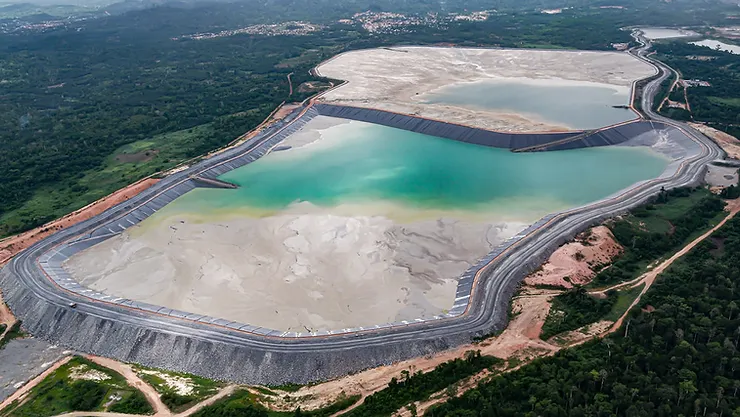
Tailings Dam Monitoring with InSAR & AI
Tailings Dam Monitoring: How Advanced Satellite Intelligence Is Transforming Tailings Dam Safety Tailings dams are among the most critical—and high-risk—structures

In 2026, hyperspectral imaging can identify more than 50 gold related minerals from space, and this change is reshaping how gold exploration works worldwide.
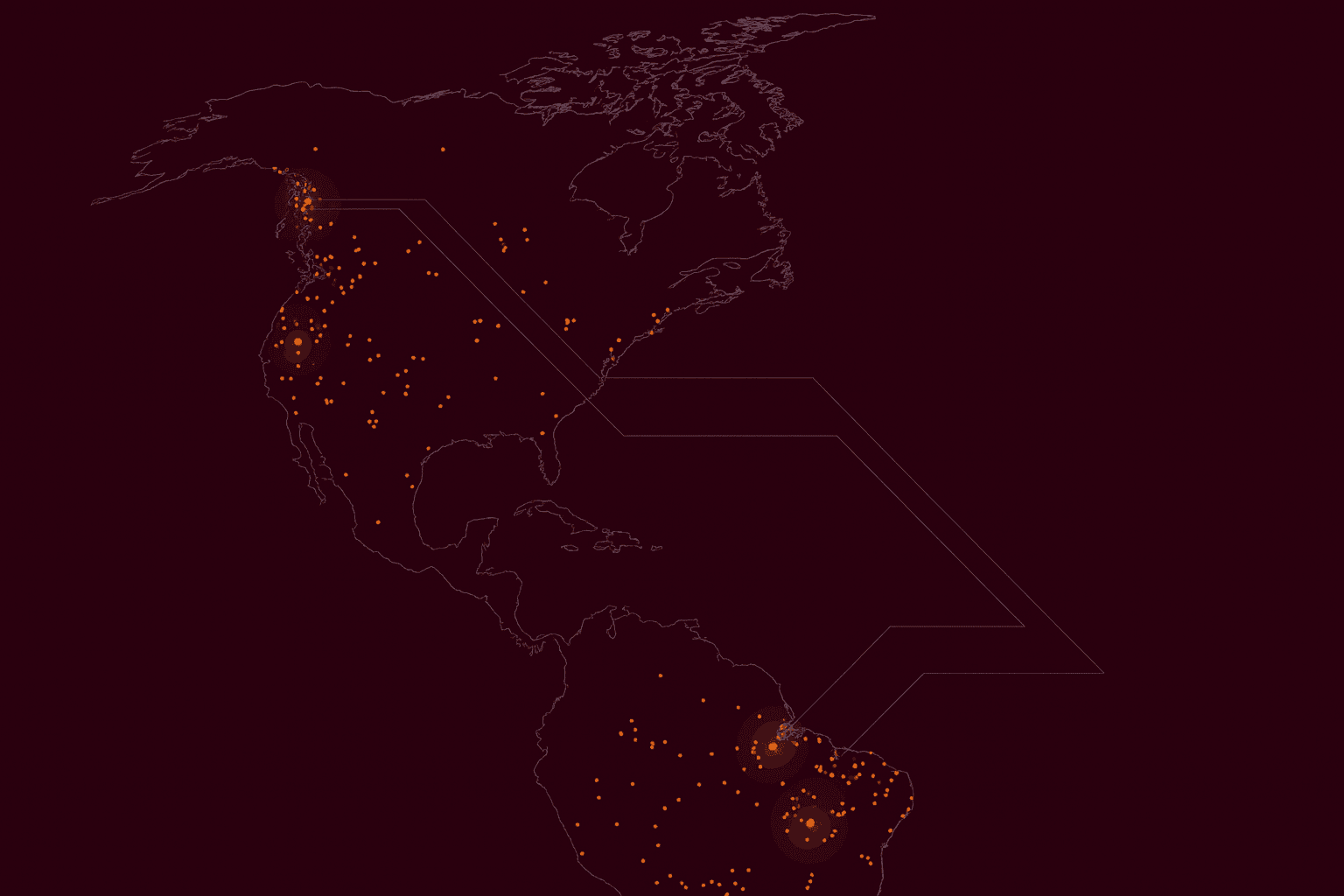
In 2026, hyperspectral imaging can identify more than fifty gold related minerals from space, and this capability is reshaping how gold exploration is done worldwide. The gold industry is moving away from slow and costly ground surveys and is adopting satellite imagery for gold exploration as a reliable first step. Today, mining companies, geologists, and governments use satellites to study large land areas quickly, safely, and with better accuracy.
Satellite gold exploration now plays a central role in early discovery. Instead of starting with drilling, teams begin with satellite imagery for mineral exploration to understand surface patterns linked to gold systems. Hyperspectral satellite data allows experts to detect gold with satellite analysis by identifying surface minerals that commonly appear near gold deposits. This approach reduces risk and helps focus only on areas with real potential.
Several advanced satellites support this progress. GF 5B is one of the most important platforms used in mineral exploration. It carries an Advanced Hyperspectral Imager that captures visible and short wave infrared data across a wide range. This helps map mineral patterns at a clear thirty meter resolution. ZY 1 02D and ZY 1 02E provide stable and long term hyperspectral coverage and support continuous land mapping for resource studies. GF 5 also plays a key role with its high number of spectral bands designed for mining and environmental use. HJ 1A adds value by covering broader areas, which supports regional analysis even at lower resolution.
Short wave infrared data is especially important because it highlights minerals that form during gold related processes. These include sericite, kaolinite, illite, hematite, goethite, and jarosite. While gold itself remains hidden, these minerals guide explorers toward likely zones.
XRTech Group brings all this data together through its Khaza’in intelligence platform. The platform analyzes hyperspectral satellite datasets and compares them with real mineral patterns to identify high probability gold zones. This method supports remote and non destructive surveys and helps teams make better decisions early in the exploration cycle.
In this blog, you will learn how satellite imagery for gold exploration works in 2026, how hyperspectral satellite data and land mapping improve accuracy, and how XRTech Group supports efficient and responsible gold discovery from space.
Gold exploration has changed dramatically. For centuries, finding gold depended on ground work like manual mapping and intensive drilling. These methods required large teams in remote areas, which was very slow, expensive, and disruptive to the environment.
The introduction of satellite imagery for mineral exploration has fundamentally changed this process. It enables a faster and more precise approach. Hyperspectral satellite technology is central to this shift. It provides a way to detect gold with satellite data by analyzing the unique light signatures of rocks and minerals from orbit, across enormous regions at once.
Today, exploration teams use this satellite imagery for gold exploration to gather critical data without first setting foot in the field. This modern strategy helps identify the most promising areas quickly, saving significant time and resources while minimizing the initial environmental footprint. The journey of discovery now truly begins from space.
It Covers Vast Areas Efficiently:
Using satellite imagery for gold exploration eliminates the need for exhaustive initial ground surveys. This technology allows for broad reconnaissance over vast and rugged terrains, including areas that are otherwise difficult or dangerous to access.
It Focuses Efforts and Saves Resources:
A Hyperspectral satellite helps pinpoint the most promising zones rapidly. This precise targeting minimizes unnecessary and expensive drilling, allowing companies to allocate their budget and manpower more effectively toward the highest-potential sites.
It Supports Responsible Discovery:
This method is key to detect gold with satellite data in an environmentally conscious way. By reducing initial land disturbance and limiting the footprint of early exploration, it supports greater ecological balance and helps meet modern regulatory and sustainability standards.
Using satellite imagery for mineral exploration provides clear, practical advantages that are changing how the industry operates.
A Hyperspectral satellite can image thousands of square kilometers in a single pass. This allows for rapid assessment of entire regions, providing a consistent and repeatable view that tracks geological changes over time.
The technology offers a way to detect gold with satellite data without disturbing the land. It identifies key surface minerals and alteration zones that indicate deposits below, all through remote sensing.
By using data analytics and spectral mapping, the time from initial survey to identifying high-priority field targets is significantly shortened. This accelerates the entire exploration timeline.
Satellite imagery for gold exploration dramatically lowers the cost per square kilometer surveyed. It reduces the need for expensive early-stage ground infrastructure and logistics, especially in remote locations.
Satellite-enabled surveys supports environmental stewardship. By precisely defining targets before any ground activity, it minimizes unnecessary land disturbance and helps plan more sustainable operations.
Advanced data platforms now make these satellite insights accessible via web browsers and mobile apps. This democratizes critical information, allowing a wider range of professionals to participate in modern exploration.
For geologists, mining companies, and investors, these benefits are removing traditional barriers. Satellite gold exploration is not just an alternative method; it is becoming the essential first step for efficient and responsible discovery.

Hyperspectral gold exploration is a major advance for finding minerals. This method uses special satellites that see far more than our eyes can. They capture light across hundreds of very specific color bands, revealing the unique composition of rocks and soil on the Earth’s surface.
These powerful sensors identify over 50 minerals known to be associated with gold deposits, such as specific clays and iron oxides. This makes satellite imagery for gold exploration more accurate because it finds the reliable indicators that point to where gold is likely to be.
The process is built on a simple principle: every mineral reflects light in a unique way, like a fingerprint.
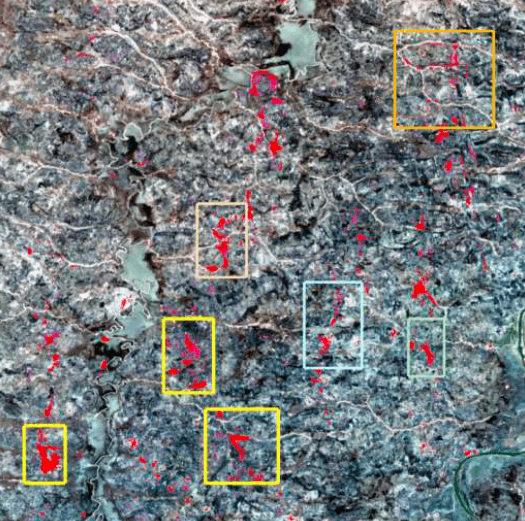
Mapping Mineral Fingerprints: We analyze hyperspectral satellite data to find these mineral “fingerprints” on the surface. This allows us to map alteration zones—areas where hot fluids have changed the rock—which are prime targets for gold exploration.
Finding the Right Clues: We use this method to detect gold with satellite data indirectly. Since gold particles are often microscopic, the satellite finds the tell-tale alteration minerals that consistently surround gold deposits, narrowing the search area with precision.
Rapid Regional Assessment: This technology allows geologists to evaluate huge, rugged regions remotely first. They can identify the most promising targets from their desk, making fieldwork faster, safer, and more focused.
A Real-World Application
Imagine a company exploring a remote mountain range. Instead of sending teams blindly, they first use satellite imagery for mineral exploration. The data shows a large area with spectral signatures of key iron oxides and clays. Their analysis software pinpoints three specific zones with the strongest mineral combinations. Field teams are then sent directly to these high-probability locations, saving months of work and significant cost.

Advanced hyperspectral gold exploration relies on specific satellites equipped with powerful sensors. These platforms go beyond standard imagery by capturing hundreds of narrow light bands. This detailed data allows for “spectral fingerprinting” of the Earth’s surface, revealing the specific chemical makeup of rocks and soils that indicate mineralization.

Several satellites are fundamental to this satellite imagery for mineral exploration. Each provides unique data critical for analysis.
GF-5B: A cornerstone satellite for resources, it carries an Advanced Hyperspectral Imager (AHSI). This sensor covers a broad spectral range from visible to short-wave infrared light at a 30-meter resolution, perfect for regional surveys.
ZY-1 02D and 02E: These satellites are built for stable, long-term monitoring. Their hyperspectral cameras capture data in 166 specific channels, providing consistent imagery for tracking geological changes over time.
GF-5: Similar to the GF-5B, this satellite’s AHSI sensor captures 318 spectral bands at 30-meter resolution, making it highly effective for mining-related applications.
HJ-1A: This platform offers a wider field of view with a 100-meter resolution and 115 spectral bands, useful for initial large-scale reconnaissance.
The core principle is indirect detection. Satellite imagery for gold exploration identifies the alteration minerals that form around gold deposits, not gold itself.
Critical Infrared Detection: The Short-Wave Infrared (SWIR) spectrum is essential. It detects specific clays and iron oxides like sericite, kaolinite, and hematite that are hallmark indicators of hydrothermal gold systems.
From Data to Discovery: XRTech Group’s Khaza’in platform transforms this raw data into discovery. Our proprietary AI analyzes the complex hyperspectral patterns from these satellites, matching them to known mineral signatures. This process pinpoints high-probability zones where gold exploration teams should focus.
This methodology delivers tangible efficiency and success.
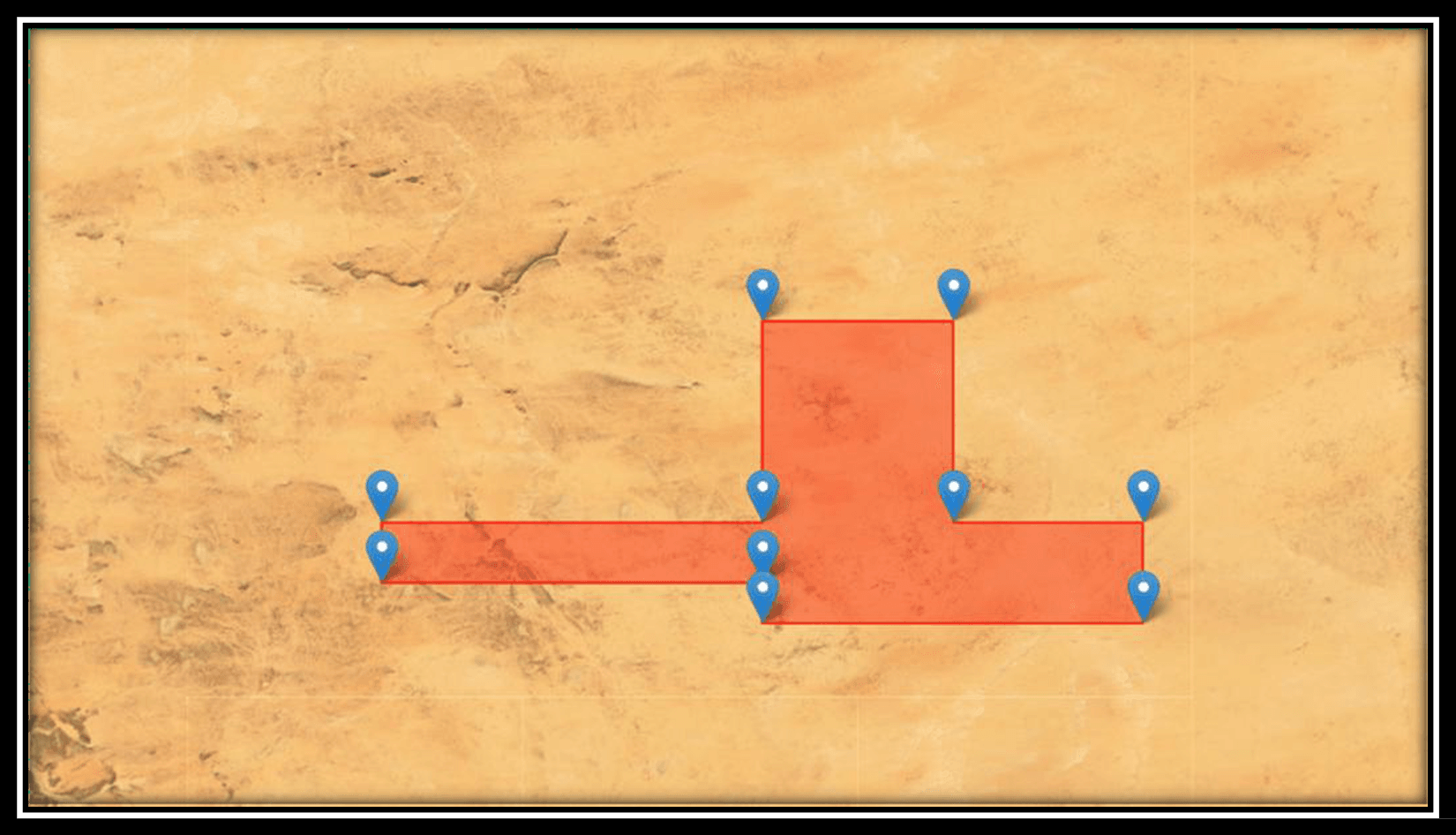
Mauritania: In the Tasiast region, our analysis of hyperspectral data mapped 10 priority gold zones, with AI-calculated probability scores guiding targeted exploration.
Tanzania: Within the prolific Lake Victoria Gold Belt, our hyperspectral intelligence rapidly identified mineralization trends, delivering actionable zone maps in under 20 days to guide near-term exploration.
Exploration Speed: This approach compresses timelines. It can reduce initial regional targeting from years to mere days, allowing companies to allocate their ground resources intelligently and cost-effectively.
A Simple Analogy
Using a hyperspectral satellite is like using a super-powered magnifying glass that sees invisible colors. Where a standard map shows only green forest, this technology reveals the distinct chemical “footprints” left in the soil by ancient gold-forming events, providing a clear guide to what lies beneath.
In 2026, the true power of satellite imagery for gold exploration is unlocked by combining it with intelligent systems. The integration of hyperspectral data with Geographic Information Systems (GIS) and Artificial Intelligence (AI) moves beyond simple observation into predictive discovery.
The first step is creating a unified geological model. Modern platforms combine multiple data layers into one system. This includes hyperspectral satellite mineral maps, broader Landsat imagery, topographic data, and historical geological records. This fusion creates a holistic, multi-dimensional view of a region’s mineralization potential, ensuring no critical clue is missed.
Next, machine learning algorithms analyze this integrated data. They are trained to recognize the complex and subtle patterns that indicate gold-bearing systems. These models can identify significant spatial relationships between alteration minerals, rock types, and structures, predicting high-potential zones even in areas with very little existing field data. This is a sophisticated method to detect gold with satellite and other remote data points.
This intelligence is delivered through powerful GIS platforms. These systems allow teams to visualize high-probability targets, plan precise field campaigns, and manage logistics efficiently. The result is a streamlined workflow where every ground team deployment is data-informed and every drill hole is strategically placed.
The Outcome: Smarter, Faster, and More Responsible Exploration
This integrated approach represents the forefront of satellite imagery for mineral exploration. It dramatically accelerates the discovery timeline, reduces financial risk by minimizing unproductive fieldwork, and upholds environmental stewardship by ensuring ground disturbance is highly targeted and justified by robust data.
Modern gold exploration is defined by data-driven efficiency and precision. The table below contrasts traditional methods with the key satellite technologies used by XRTech Group to identify and evaluate gold potential.
Tailings Dam Monitoring: How Advanced Satellite Intelligence Is Transforming Tailings Dam Safety Tailings dams are among the most critical—and high-risk—structures
From Visible Light to Spectral Intelligence in Modern Satellite Remote Sensing Satellite imaging has moved beyond photography. For decades, Earth