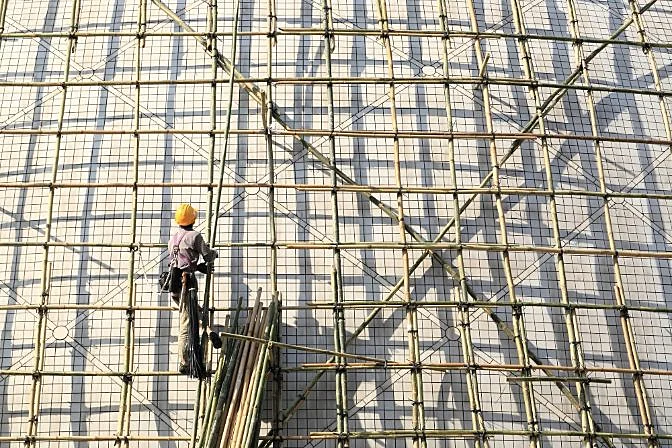
Scaffolding is a temporary structure used in building construction to support workers, tools, and materials while work takes place at height. It is usually made from metal tubes and wooden or engineered planks, and it provides stable access for tasks such as repairs, installation, cleaning, inspection, or construction. When people search what is scaffolding in building construction, this simple definition explains the purpose clearly.
The practice of using scaffolding is not new. Evidence shows that early humans used basic scaffold structures more than 17,000 years ago while creating cave paintings in Lascaux. Over time, different civilizations developed their own versions. Ancient Egypt relied on wooden support frames to build monuments, and early China used bamboo scaffolding tied with rope. These early examples show how long scaffolding has played a role in construction and maintenance work.
Today, scaffolding for building construction is engineered for safety, strength, and efficiency. Modern scaffold systems are made from steel, aluminum, or reinforced composites. They are designed to assemble and dismantle quickly and safely while meeting strict safety standards. As construction needs have evolved, scaffolding designs now vary based on project scale, building type, and required height.
In this guide, you will learn how scaffolding is used in modern construction, the different types and components, how it is set up, and when renting or purchasing makes more sense. The article will also explore advanced alternatives including drones, which are now being used to inspect structures and reduce the reliance on traditional scaffold systems.
What Is Scaffolding in Building Construction?
A scaffold, also called scaffolding or staging, is a temporary structure used to help workers reach areas that are high or difficult to access. It provides a stable working platform for tasks such as repairs, construction, cleaning, inspections, or maintenance. When people ask what is scaffolding in building construction or what are scaffoldings, the simplest answer is that scaffolding supports workers and materials safely at height.
Scaffolding is commonly used in building construction, bridge work, industrial facilities, and restoration projects. It allows workers to stand securely while accessing walls, ceilings, windows, or structural elements that cannot be reached from the ground or ladders.
The Benefits of Scaffolding
Scaffolding has been used for thousands of years because it offers a practical and reliable way to work at height. Even with modern equipment, scaffolding for building construction remains one of the most trusted methods for safe elevated access.
Key advantages include:
Better Access
Scaffolding provides stable access to almost any part of a structure, even where lifts or ladders cannot reach.Improved Balance and Stability
Workers stand on a flat and secure platform, which helps them maintain balance while using tools or carrying materials.Fast Assembly and Removal
Modern scaffolds are designed for efficient setup and takedown, which helps project timelines stay on track.Durability
Many scaffolding systems are built from steel or high-strength aluminum and can be reused for years.Higher Safety Levels
Scaffolding reduces fall risk by offering guardrails, wide platforms, and secure footing. However, the safest option is reducing the need to work at height. This is why many companies now use drones to perform inspections and reduce reliance on scaffolding.Works as a Pathway
Scaffolding can act as a walkway or bridge, reducing long travel routes for workers and improving project efficiency.
The Dangers of Working on Scaffolding in Building Construction
Understanding what is scaffolding and how it should be used safely is critical in the construction industry. Although scaffolding provides stable access for work at height, it introduces serious risks when not installed or used correctly. Because scaffolding for building construction supports workers, tools, and materials, even small errors can lead to major accidents.
When people ask what are scaffoldings, the definition usually highlights safety and access, but the reality is that misuse is common. This is why knowing the hazards is a key part of learning what is scaffolding in building construction and how to manage it properly.
Common Hazards When Using Scaffolding
Scaffolding work presents several dangers, especially when teams lack proper training or the structure is not maintained. The most frequent hazards include:
Falls from Height
Falls are the most common risk in scaffolding building construction. Workers can fall through platform gaps, unstable planking, missing guardrails, or slippery surfaces.
Structural Collapse
If scaffolding is overloaded, built incorrectly, or assembled with damaged components, the platform may collapse. This risk increases when mixed brands, rusted joints, or unsupported frames are used.
Falling Objects
Tools, loose materials, or construction debris can fall from scaffolding and injure workers below. Toe boards, netting, and proper housekeeping can prevent these incidents.
Electrocution
Metal scaffolding placed too close to electrical sources or overhead cables significantly increases the chance of electrocution.
Slips, Trips, and Poor Traction
Uneven boards, wet surfaces, ice, and cluttered platforms can cause slips or falls. Regular inspection can prevent these hazards.
Why Scaffolding Accidents Happen
Accidents happen for many reasons. The most common include:
Lack of fall protection or guardrails
Incorrect assembly or missing bracing
Overloading scaffolding beyond its certified weight capacity
Lack of proper user training
Working too close to energized power lines
Weak or damaged boards and platforms
Missing inspections before use
Failure to secure the foundation or stabilizers
These causes show why safety cannot rely only on the design of scaffolding for building construction—it depends on training, planning, and maintenance.
Safety Statistics That Highlight the Scaffolding Risk
Recent construction data reinforces why proper safety planning matters when working with scaffolding:
Over 2.3 million workers use scaffolding regularly in the United States
Nearly 25% of fatal falls in construction involve scaffolding
About 10% of all construction-related deaths involve scaffold incidents
Scaffolding-related injuries lead to over $90 million in lost worker time every year
Scaffold-related safety violations remain in OSHA’s Top 5 most cited violations
These numbers demonstrate why understanding what is scaffolding in building construction must go beyond definition—it requires awareness of risk and proper use.
Why scaffolding Training and Prevention Matter
Even though scaffolding has been used for thousands of years, it remains one of the most technical and regulated construction tools. Training ensures:
Correct assembly and dismantling
Safe load distribution
Proper access and movement
Compliance with safety standards
When scaffolding is maintained correctly, inspected regularly, and used by trained teams, it becomes a reliable and safe structure.
Uses of Scaffolding in Different Industries
When people search what is scaffolding, the answer goes beyond construction. Today, scaffolding for building construction and industrial access is used across several sectors because it provides a temporary and stable working platform in areas where ladders or machinery cannot reach. Understanding how scaffolding is used helps explain why it remains essential even with modern tools like drones.
Scaffolding is used wherever work at height is required. Although the core principles remain the same, each industry applies scaffolding differently based on safety standards, accessibility requirements, and operational goals.
Construction and Building Development
Construction is the most common area where scaffolding is used. In scaffolding building construction, platforms support workers during:
High-rise development
Masonry and concrete work
Roofing and façade installation
Structural repairs and renovations
Scaffolding in building construction ensures safe vertical access and improves workflow efficiency by allowing multiple trades to operate at different heights simultaneously. Whether building a new skyscraper or repairing a residential property, scaffolding provides the stable support required for safe work.
Cleaning and Exterior Access
Skyscraper and commercial building maintenance teams often use scaffolding to clean windows, exterior glass, and façades. Although suspended platforms and rope access are also used, scaffolding offers a stable and secure surface for cleaning large or complex structures where free movement is needed.
Industrial Inspection and Testing
Another key use of scaffolding is in industrial inspection, where access to confined or elevated spaces is required. Inspectors rely on scaffolding to reach:
Boilers
Storage tanks
Pressure vessels
Chimneys
Power plants
Oil and gas infrastructure
Scaffolding supports visual inspections and advanced NDT applications such as ultrasonic testing, corrosion monitoring, and defect measurement. This is one of the reasons people researching what is scaffolding in building construction often include inspection-related queries.
Maintenance and Repair Work
After inspections identify defects, scaffolding allows maintenance teams to access and repair those areas safely. This includes:
Pipe replacement
Joint reinforcement
Surface coating
Welding
Plastering and painting
Since maintenance tasks often involve tools and materials, scaffolding offers a stable platform for both workers and equipment.
Creative, Public, and Special-Use Applications
Beyond construction and industry, scaffolding is also used in public, cultural, and temporary spaces. Examples include:
Art installations
Concert stages and event platforms
Exhibition stands
Grandstand seating
Film production scaffolds
Temporary observation towers
Ski ramps and sporting structures
Shoring and structural support during renovation projects
These applications demonstrate how adaptable modern scaffold systems are across industries.
How the Role of Scaffolding Is Changing
Although scaffolding remains essential, technology is changing how often workers need to use it. More companies now combine scaffolding with advanced tools such as drones, digital mapping, and LiDAR inspections. Drones can capture data before scaffolding is built, helping teams decide when physical access is necessary and when work can be completed remotely.
While scaffolding is still essential, many companies now explore safer alternatives. Drone inspections are reducing the amount of time workers spend at height. Instead of climbing scaffolding to inspect facades, roofs, chimneys, bridges, or industrial plants, drones capture high-resolution images, thermal data, and measurements from a safe distance.
As technology improves, the balance between scaffolding and remote inspection continues to shift, making construction safer and more efficient.
This shift supports a core safety principle in construction:
Reduce the need for people to work at height whenever possible.
Types of Scaffolding
Understanding the types of scaffolding helps answer the common question what is scaffolding in building construction because different projects require different structures. The type selected depends on height, load requirements, environment, safety rules, and duration of the work.
1. Single Scaffolding
Used mainly in brick masonry work. It consists of standards, putlogs, and ledgers placed parallel to the wall. This type is simple, quick to install, and suitable for low to medium-height construction.
2. Double Scaffolding
Common in stone masonry where fixing holes in walls is difficult. It includes two rows of scaffolding for better stability and load support.
3. Cantilever Scaffolding
Used when the ground cannot support the structure, such as above busy roads or uneven terrain. The platform is supported from the building structure instead of the ground.
4. Suspended Scaffolding
Ideal for window cleaning and façade repairs. The platform hangs from the roof and can be raised or lowered with a mechanical system.
5. Trestle Scaffolding
Used for indoor tasks, painting, or light repairs. It has movable ladders or tripods and does not reach extreme heights.
6. Steel and Modular Scaffolding
This is the most common type today. It uses steel tubes or modular frames with couplers. It offers high durability, speed of installation, and strong safety features, making it suitable for scaffolding building construction projects.
7. Mobile Scaffolding
Features castor wheels for mobility. Common in warehouses, indoor maintenance, and mechanical repairs.
Parts of Scaffolding
Every scaffold structure includes key components designed to provide stability and safety. Knowing these parts helps users understand what are scaffoldings and how they function:
Standards: Vertical tubes that transfer the load to the ground
Ledgers: Horizontal tubes that connect standards
Putlogs: Support the working platform
Braces: Provide rigidity and stability
Base plates and sole boards: Distribute weight and prevent sinking
Guardrails and mid rails: Prevent falls
Toe boards: Stop tools and materials from falling
Access ladders or stair units: Enable safe movement between levels
Each part is engineered to ensure stability, working comfort, and compliance with safety regulations.
Scaffolding Materials
Modern scaffolding materials improve durability and safety compared to older wooden systems. Materials used include:
Steel: Strong, durable, fire-resistant, and preferred for large construction projects
Aluminum: Lightweight and easier to transport, ideal for internal maintenance
Bamboo (regional use): Still used in parts of Asia due to availability and flexibility
Composite materials: A growing category used in specialized environments that require corrosion resistance
Steel and aluminum now dominate most scaffolding for building construction because they allow fast assembly, consistent strength, and long service life.
Renting vs Purchasing Scaffolding
Choosing whether to rent or purchase depends on project scope, frequency of use, and cost planning.
When Renting Makes Sense
Short-term projects
Seasonal work
Occasional building maintenance or inspection
Limited storage space
When specialized temporary systems are needed (e.g., suspended scaffolding)
Renting reduces upfront cost and ensures the equipment meets the latest safety standards.
When Purchasing Is Better
Long-term or ongoing construction projects
Companies that frequently perform projects requiring height access
Industrial sites with recurring inspection and maintenance work
Owning scaffolding offers cost efficiency over time and ensures immediate availability.
Drone Inspections as an Alternative to Traditional Scaffolding
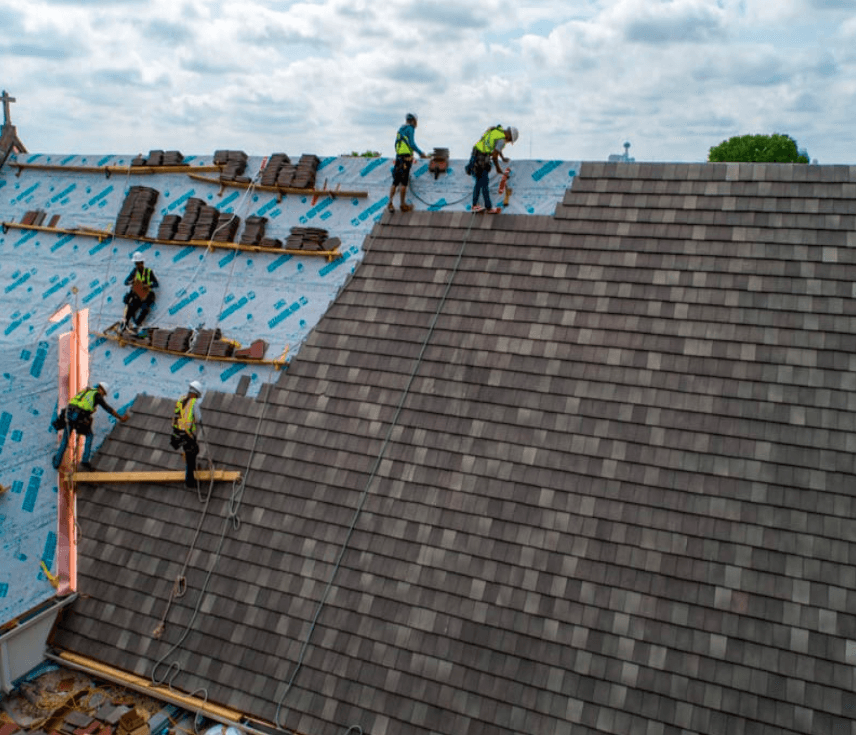
Many companies are now exploring alternatives to scaffolding because of safety risks, high cost, and the long time required to set up and dismantle structures. When people research what is scaffolding or scaffolding for building construction, they often discover that although scaffolding is effective, it is not always the most efficient or safest option, especially in inspection and maintenance environments.
Rope access is sometimes used as a flexible alternative to scaffolding, particularly for shorter projects. However, with advancements in technology, drone inspections are quickly becoming one of the most effective and widely adopted alternatives across industries.
Why Drone Inspections Are Replacing Scaffolding
Drone inspections allow inspectors to collect high-resolution visual, thermal, and structural data remotely. Instead of building scaffolding in building construction or industrial sites, drones fly to the required elevation and capture accurate information without risking human safety.
Modern industrial drones include modular payload designs that support various types of inspection equipment. These may include:
High-resolution RGB cameras
Thermal imaging systems
Ultrasonic thickness measurement sensors
Gas detection payloads
Radiation monitoring equipment
LiDAR mapping systems
By replacing the need for workers to climb structures, drones significantly reduce the hazards normally associated with scaffolding building construction and industrial access platforms.
Key Benefits of Drone Inspections Over Scaffolding
1. Higher Safety and Reduced Risk
Drones eliminate the need for inspectors to work at height, inside confined spaces, or near hazardous infrastructure. This reduces exposure to falling risks, collapsing platforms, and electrical hazards linked to scaffolding.
2. Lower Operational Costs
Scaffolding can be extremely expensive to rent, build, transport, and dismantle, especially during maintenance or inspection shutdowns. Drone inspections dramatically reduce these expenses and allow companies to complete inspection tasks without major site modification.
3. Faster Inspections and Minimal Downtime
Traditional scaffolding can take days or weeks to prepare. Drones can be deployed within minutes, allowing faster decision-making and quicker maintenance response times. This also reduces production delays and improves overall operational efficiency.
4. Access to Hard-to-Reach Areas
Drones can inspect areas that are difficult or dangerous for humans, including:
Roof edges and façades
Chimneys and smoke stacks
Storage tanks
Bridges and towers
Oil and gas platforms
Damaged or unstable building surfaces
In many cases, drones provide access to areas where scaffolding cannot be safely installed.
5. Higher Data Quality and Digital Documentation
Modern drones capture detailed visual and thermal data with high accuracy. These digital records can be used to compare conditions over time, monitor structural changes, and support predictive maintenance programs.
Thermal cameras can detect structural weaknesses, heat loss, insulation failure, and hidden leaks—insights that are not visible through standard visual inspections.
How This Changes Future Building and Industrial Practices
As drones become more integrated into building construction and industrial workflows, the traditional question what are scaffoldings used for? is evolving. Scaffolding is still essential for physical repairs and construction work, but drones now support inspections, mapping, planning, and decision-making before workers ever step onto a platform.
In many industries—including oil and gas, mining, utilities, civil infrastructure, and construction—drones are becoming a standard part of inspection operations because they:
Reduce risk
Improve accuracy
Lower cost
Increase speed
As technology advances, drones with AI-powered defect detection, live measurements, and automated reporting will continue to reduce the need for human presence on scaffolding.
Recommended Industrial Drones as Alternatives to Scaffolding
As more companies search for safer and more efficient ways to inspect buildings, infrastructure, and industrial systems, drones are becoming a preferred alternative to scaffolding. Instead of relying only on scaffolding for building construction or rope access, inspectors now use advanced drone platforms to collect structural data from the ground. This shift improves safety, reduces costs, and speeds up inspection timelines.
These drones are specifically designed for work at height and can replace the need for physical platforms in many tasks such as thermal inspections, visual surveys, mapping, and defect detection—key activities often linked with what is scaffolding in building construction workflows.
Below are the top recommended industrial drone systems that have proven reliable for replacing scaffolding during inspections and maintenance.
1. DJI Matrice 350 RTK
Best for: Complex industrial and high-precision inspections
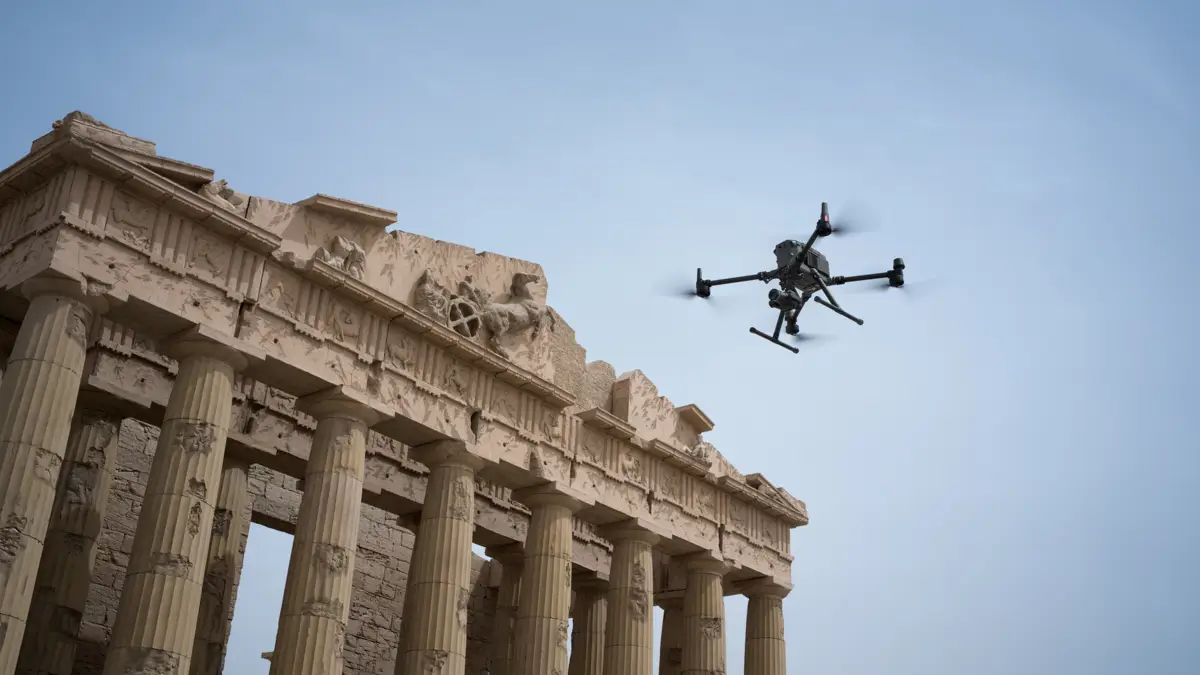
The DJI Matrice 350 RTK is one of the most advanced inspection drones available. It delivers up to 55 minutes of flight time, supports multiple payloads at once, and provides centimeter-level RTK precision. These features make it ideal for inspecting tall structures such as flare stacks, chimneys, mining conveyors, elevated rail infrastructure, and wind turbines.
With strong weather resistance and high durability, this platform is used in industrial inspection, infrastructure monitoring, and asset maintenance without requiring physical scaffolding.
2. DJI Matrice 300 RTK
Best for: Harsh environments and complex structures
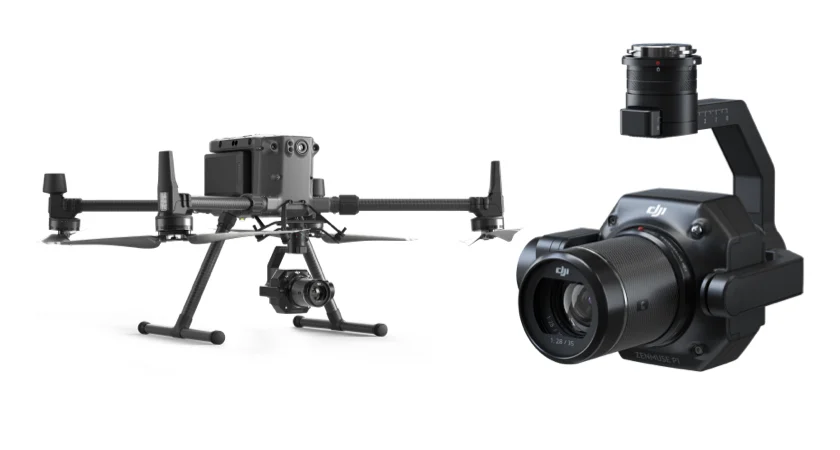
The DJI Matrice 300 RTK offers extreme durability and flexibility for various inspection environments. It provides advanced six-direction obstacle sensing and supports thermal imaging when paired with the H20T payload.
With a long flight time of up to 55 minutes and an operational temperature range of −20°C to 50°C, it is well-suited for heavy industrial inspection tasks where scaffolding would traditionally be required.
3. DJI M30T Thermal Drone
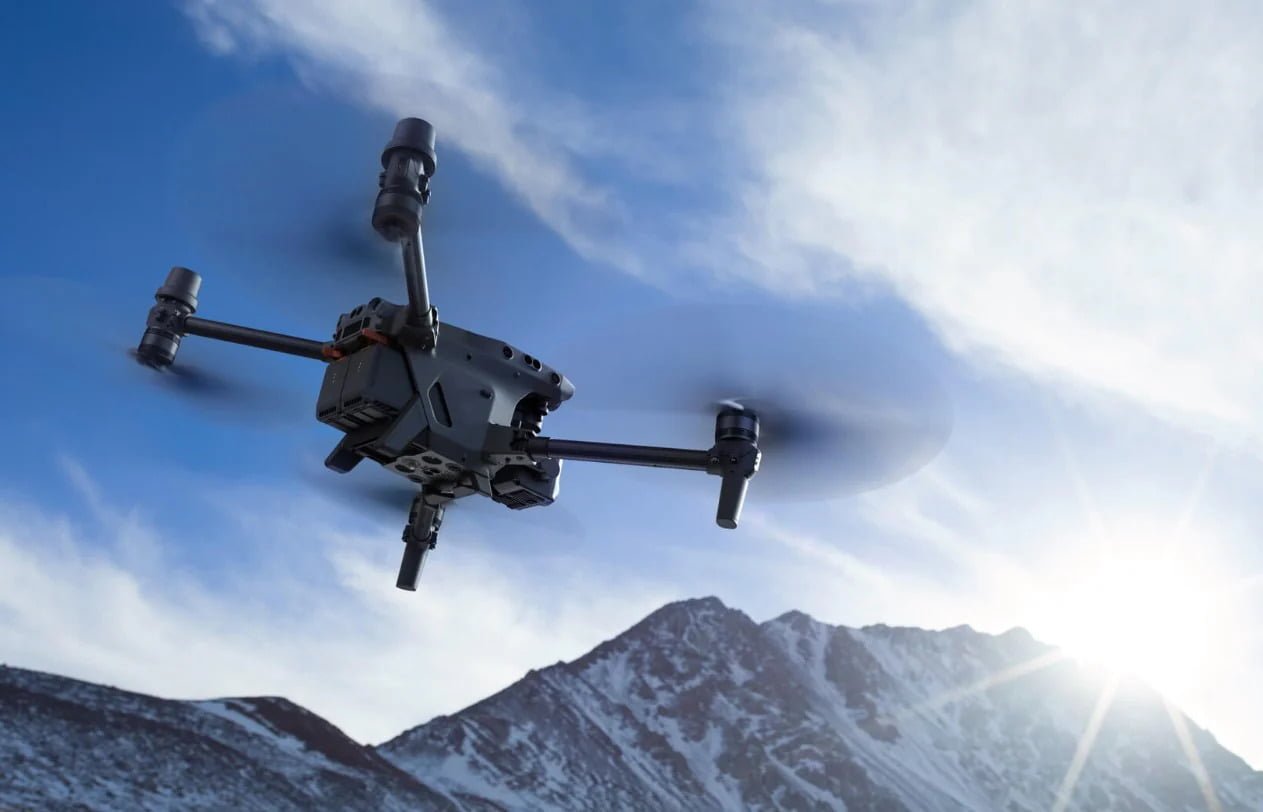
Best for: Fast deployment and rugged outdoor inspection
The DJI M30T is a compact industrial drone designed for harsh weather conditions. It features a built-in 640×512 thermal sensor and carries an IP55 protection rating. This makes it a strong alternative to scaffolding for emergency inspections, rooftop surveys, and industrial maintenance tasks during adverse weather.
Its portability also makes it ideal for field teams who need quick access to elevated areas.
4. Autel EVO Max 4T
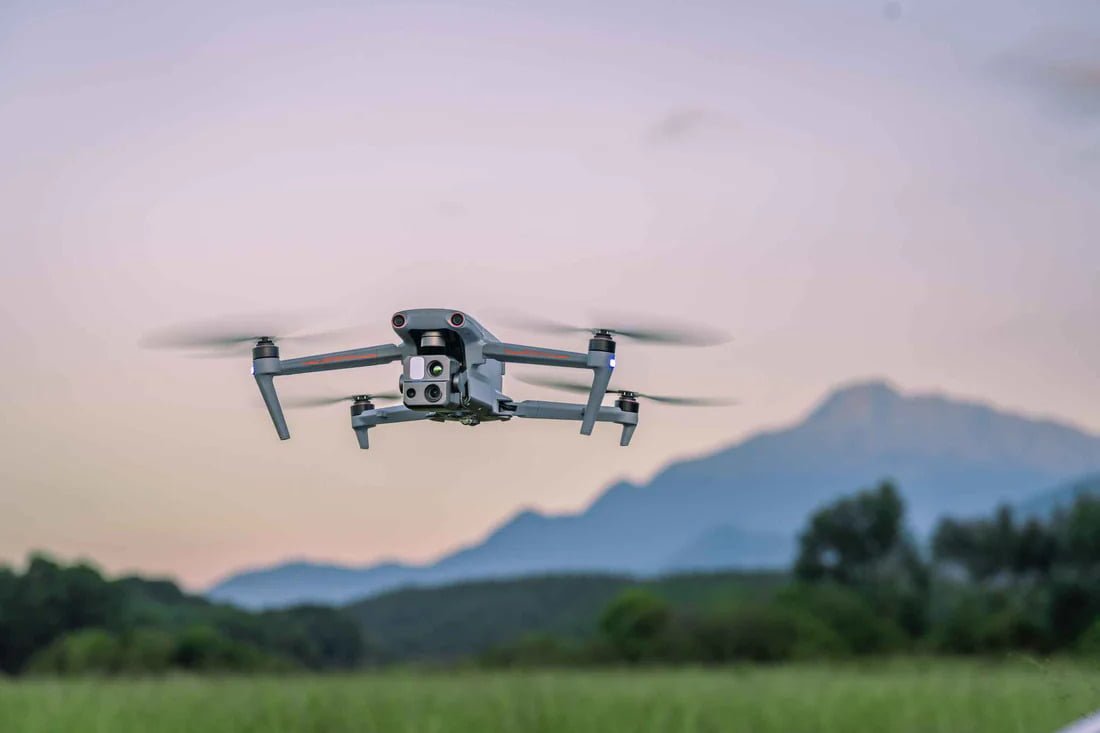
Best for: Precision building inspections and thermal assessments
The Autel EVO Max 4T includes advanced obstacle avoidance with full 720-degree environmental sensing and a high-resolution 640×512 thermal camera.
Its strong stability, smart navigation, and multi-sensor capability make it a practical choice for inspections where tight clearances or complex structures make scaffolding difficult or costly.
5. DJI Mavic 3 Thermal (M3T)

Best for: Residential roofing and small commercial inspection tasks
The DJI Mavic 3 Thermal is a compact yet powerful alternative to scaffolding for building inspections, especially in small or medium-sized structures. It offers omnidirectional obstacle avoidance and a 640×512 thermal imaging module, ideal for roof surveys, building envelope assessments, heat loss evaluation, and rapid facade inspections.
Its ease of transport and fast setup make it suitable for teams assessing multiple locations in one day.
Why These Drones Are Changing Scaffolding Use
All listed Drones help teams reduce or eliminate the need to erect scaffolding to perform inspections. Instead, drones deliver:
High-resolution visual and thermal imaging
Measurable data for maintenance planning
Faster inspection cycles
Improved worker safety
Major cost savings
For many organizations, drones now perform the first inspection step before deciding whether scaffolding is even required. This modernization supports safety-first decision-making and aligns with global digital transformation trends in construction and infrastructure maintenance.
Conclusion
Understanding what is scaffolding and how it is used helps explain why it remains an essential part of building construction, maintenance, and inspection. Although scaffolding provides access, balance, and support for workers, modern industries now combine traditional methods with technology to improve safety and efficiency. Today, drone inspections reduce the need for physical access at height, shorten project timeframes, and lower operational risks.
As construction moves toward digital workflows, both scaffolding for building construction and drone-based inspections will continue to evolve. The future of safe work at height will likely combine scaffolding, smart safety systems, and industrial drones to create safer, faster, and more cost-efficient inspection environments.
FAQs
1. What is scaffolding in building construction?
Scaffolding in building construction is a temporary platform used to support workers and materials when working at height.
2. Why is scaffolding important?
It provides safe access to elevated locations, supports tools and materials, and ensures stability during construction, repair, or inspection work.
3. What are scaffoldings used for?
They are used for construction, cleaning, maintenance, painting, inspections, and structural repairs.
4. What materials are used to build scaffolding?
Scaffolding is commonly made from steel, aluminum, wood, or composite planks, depending on the load requirements and project type.
5. Can drones replace scaffolding?
Drones cannot replace scaffolding completely, but they can reduce the need for it during inspections, mapping, or remote visual assessments.
6. Is scaffolding required by law?
Many regions require scaffolding when working above a certain height to comply with safety regulations.
7. How long does it take to set up scaffolding?
Setup time depends on size and complexity. Small structures may take hours, while large industrial scaffolds may take days.
8. Who is responsible for scaffolding safety?
A qualified person must supervise installation, inspection, and maintenance to ensure compliance with safety standards.
9. Is scaffolding reusable?
Yes, most scaffolding systems are designed for repeated use when properly stored and maintained.
10. What safety equipment do workers need on scaffolding?
Workers typically require helmets, harnesses, anti-slip footwear, guardrails, and fall protection systems.