The mining industry focuses on the discovery, extraction, and processing of minerals that support energy, construction, and advanced technology sectors.
Mining began with simple tools and surface-level materials where clay, stone, and metals supported trade, survival, and early business in mining across civilizations.
Today the mining industry has expanded due to the growing demand for rare earth elements and strategic minerals used in electronics, EV batteries, and renewable energy.
The mining process continues to evolve as deeper reserves create the need for safe equipment, precision mapping, automated workflows, and remote inspection systems.
Although environmental and safety concerns remain, mining companies now rely on data, smart automation, and high-resolution analysis to improve extraction efficiency.
Modern mining processes focus on reducing loss, extending resource value, and improving yield while lowering operational risk and environmental impact.
XRTech Group supports the global mining process by providing advanced geospatial solutions that help identify deposits, plan extraction, and monitor field operations.
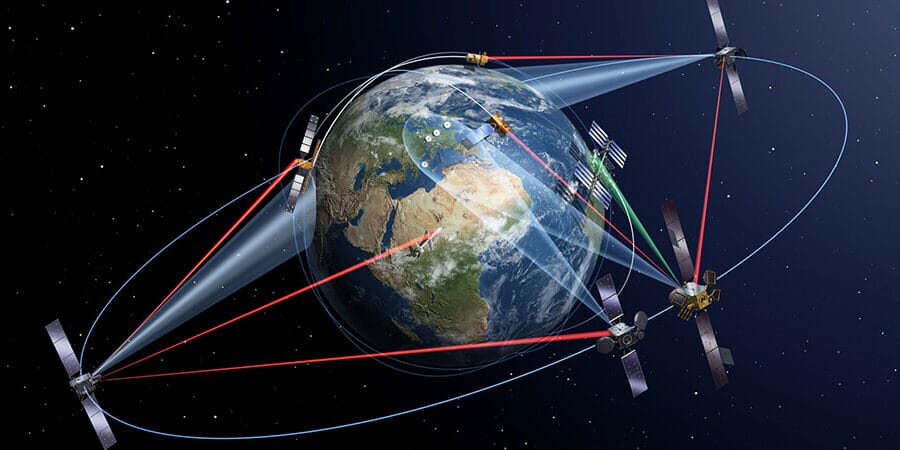
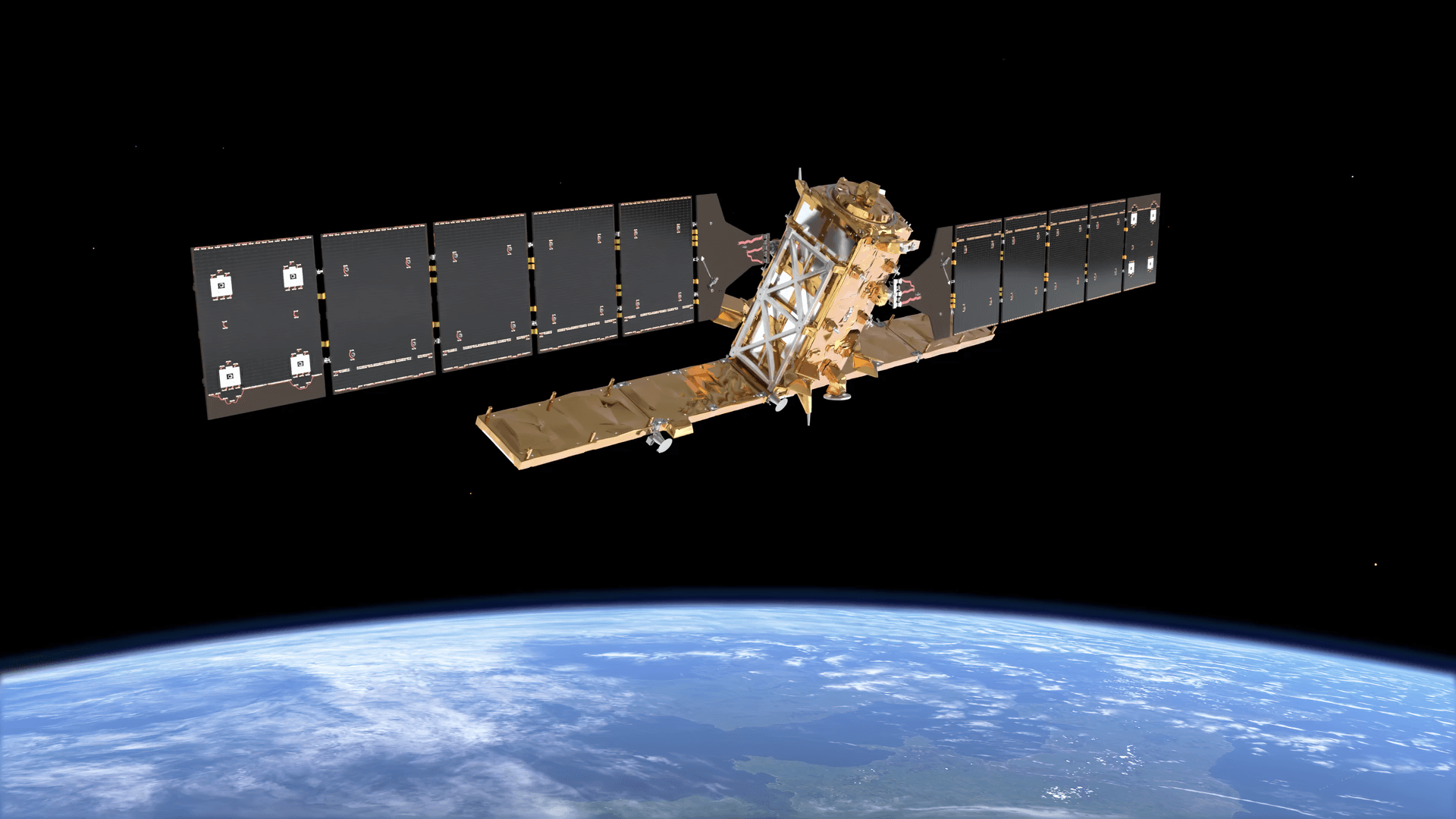
Organizations working in mining now use satellite imagery, AI-driven modeling, and drone-based inspections to map terrain and assess ore potential with accurate detail.
As mining companies continue scaling operations, digital tools help improve decision-making, streamline survey tasks, and support cost-effective resource development.
The future of the mining process includes automation, predictive analytics, and real-time monitoring systems that help reduce delays and improve workflow efficiency.
What Is the Mining Industry and Why Is It Important
The mining industry focuses on extracting valuable minerals and materials from the earth through structured and repeatable mining processes that support global demand.
Mining involves accessing seams, veins, reefs, and placer deposits where resources such as coal, metal ore, potash, limestone, clay, gravel, and gemstones exist.
The economic viability of a mining process depends on labor, site access, technology, energy consumption, equipment, and transport, which directly affect operational cost.
Modern business in mining includes exploration, planning, permitting, extraction, mineral processing, and final site rehabilitation to meet regulatory and operational standards.
Surface mining and underground mining represent the two core mining processes used depending on deposit depth, geology, cost, and environmental constraints.
Some extraction workflows include natural gas and petroleum, although they are generally classified under the energy sector rather than the core mining industry.
Mining companies follow an operational structure that ensures efficient resource recovery, safe working conditions, and optimized mineral handling workflows.
Main Processes in Mining
Mining sites follow three primary stages that help maximize resource value and maintain efficiency during extraction.
Mineral Extraction
Mining companies use surface mining or underground mining methods based on depth, geology, and cost to access raw ore and usable material.Mineral Handling
Teams separate ore from waste, known as tailings, to streamline downstream workflows and support accurate processing with reduced material loss.Mineral Processing
Ore is crushed, refined, smelted, or chemically treated to generate final products ready for transport and commercial distribution across global markets.
Mine Life Cycle and Key Stages in the Mining Process
The mining process follows a structured life cycle that begins with prospecting, continues through extraction and mineral processing, and ends with land reclamation and post-closure monitoring.
Prospecting and Discovery
Prospecting is the first phase in the mining process where geologists and mining companies search for mineral deposits using specialized exploration tools.
Common techniques include:
Metal detection to locate gold, cobalt, nickel, and ferromagnetic materials close to the surface during early exploration.
Prospecting pickaxes and sampling tools used to extract rock samples and test for mineral concentration during field inspection.
Electromagnetic prospecting technology, including airborne magnetometers and gravimeters, to detect minerals several kilometers below ground.
Low-frequency EM and seismic imaging to map subsurface structures and identify conductive deposits such as coal or metallic ore.
Geochemical sampling to analyze soil, rock, vegetation, water, and gases for abnormal mineral signatures that indicate resource potential.
Once prospecting confirms mineral presence, the next step is assessing the extent and value of the orebody using data modeling and geospatial analysis.
XRTech Group supports this stage using satellite imagery, drone for mapping, hyperspectral analysis, and AI modeling for faster and more accurate discovery workflows.
Estimation of Ore Size
Once an orebody is detected, engineers calculate the size, grade, and expected yield to understand potential value during the mining process.
These calculations help determine whether the mineral resource aligns with operational cost, market price, and the feasibility required for business in mining.
XRTech Group supports this stage by using satellite data, hyperspectral analysis, and AI models to help quantify deposits with improved accuracy.
Calculating Economic Feasibility
The mining company assesses whether the project can move into development based on detailed planning and expected revenue from recoverable minerals.
Key considerations include:
Estimated recoverable volume
Mineral processing costs and purification requirements
Market demand and ROI potential
Engineering and infrastructure requirements
Milling and transport costs
Financing and stakeholder equity
Environmental obligations and reclamation planning
Long-term operational risks and regulatory compliance
XRTech Group provides geospatial and predictive analysis that supports early decision-making before capital investment.
Development Stage
If the mining companies approve feasibility, construction begins and planning a mine’s operation enters the mine development phase.
Processing plants, haul roads, temporary housing, and operational support facilities are prepared before full extraction begins.
This mining stage continues until the mine stops being economically viable based on ore grades and mineral processing efficiency.
Overburden Removal
Mining begins by removing soil and rock covering the ore, known as overburden. This material is stored for future use in reclamation or operational support.
Proper overburden planning reduces operating delays and improves long-term mine stability across all mining processes.
XRTech Group supports monitoring during this stage using drone mapping and remote sensing to track excavation progress in real time.
Waste Management
Tailings management is a critical part of planning a mine’s operation because a large percentage of extracted material becomes waste.
Tailings may be stored in lined containment, engineered dams, or closed-loop systems depending on environmental guidelines and safety requirements.
Failures can result in water contamination, structural collapse, or ecological damage, so ongoing monitoring is essential across the mine life cycle.
XRTech Group provides satellite change detection and aerial surveillance that help operators track seepage and containment risks.
Mineral Processing
Mineral processing, also known as mineral dressing, involves crushing, grinding, washing, and separating ore from waste.
These minerals are refined through smelting, flotation, or electrolytic reduction to create commercially marketable mineral outputs.
Satellite analytics and inspection drones provided by XRTech Group help monitor haul routes, stockpiles, and facility workflow to support production efficiency.
Reclamation
Reclamation marks the final phase of the mining process and begins when extraction is no longer economically viable.
Sites are restored for future use such as agricultural land, forest, industrial parks, or public infrastructure depending on regional planning.
Modern regulations require mining companies to include reclamation planning from the earliest feasibility steps rather than after closure.
Types of Mining and How They Fit into the Mining Process
Mining processes vary depending on geology, economics, technology, and available resources. The mining companies select techniques that reduce cost, improve access to ore, and support long-term planning of a mine’s operation. Each mining process fits into the broader mine life cycle, influencing mineral processing efficiency, reclamation planning, and site development.
There are two primary mining methods used globally: surface mining and underground mining. Surface mining remains the most common mining method, but underground mining is still essential when deposits sit deep below the surface.
Ore deposits mined by both methods fall into two main categories:
Placer deposits, often found in rivers, streams, and coastal sands.
Lode deposits, contained in rock masses, veins, layers, or mineralized grains.
Understanding the type of resource determines project cost, equipment needs, and processing workflows.
Surface Mining in the Modern Mining Process
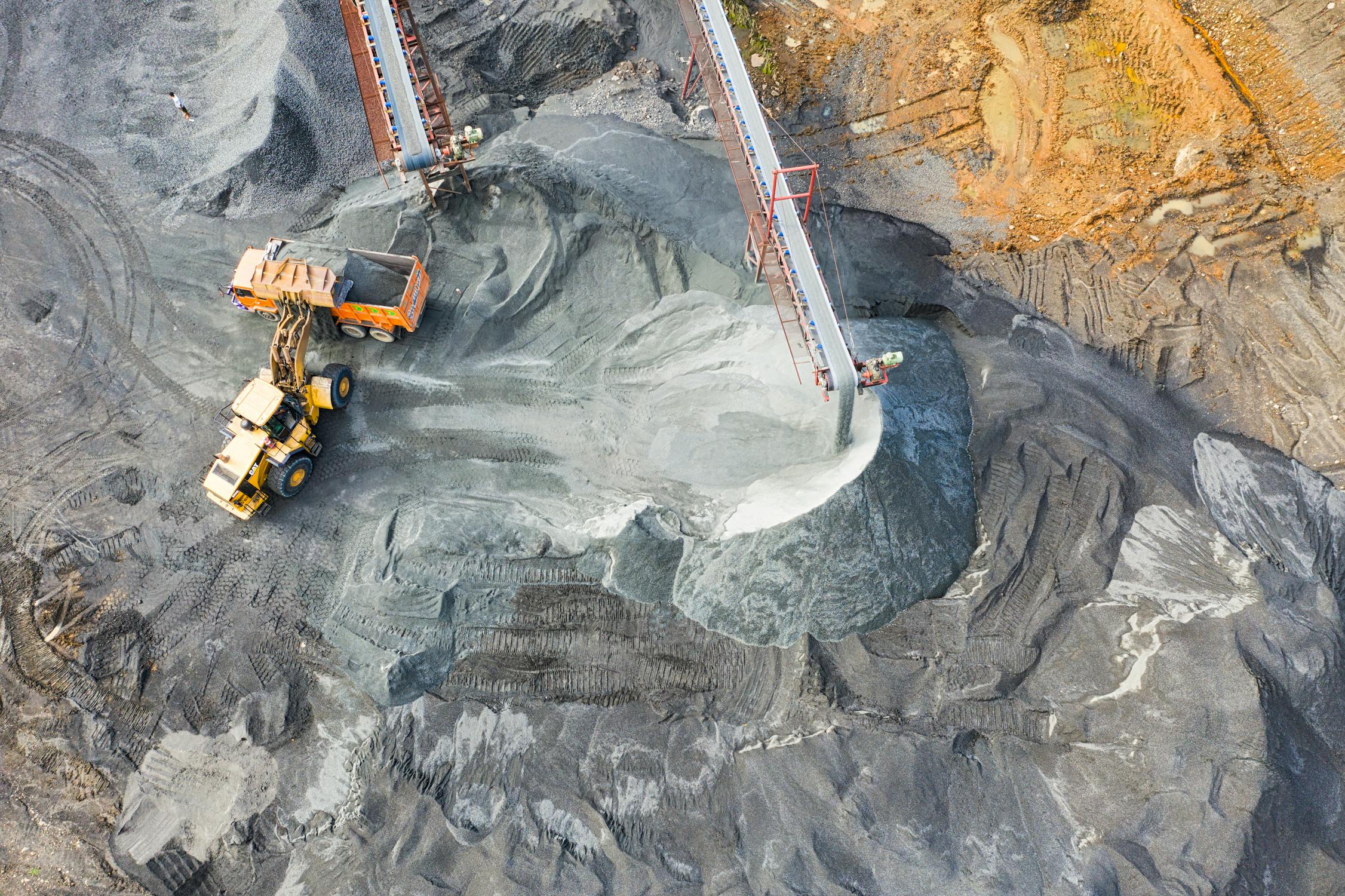
Surface mining is one of the most widely used mining processes because it allows access to mineral deposits located close to the surface. In the mine life cycle, surface extraction is usually planned early and integrated into feasibility studies, environmental assessments, and mineral processing strategies. Overburden is removed to expose the orebody, and extraction continues until the deposit is no longer economically viable. This method plays an important role in business in mining because it supports large-scale production with efficient handling and predictable operational planning.
Common surface mining techniques include:
Strip Mining
Strip mining removes layers of soil and rock using dragline excavators to expose near-surface ore. This method is commonly used to prepare land for open pit environments and industrial quarrying. The mining companies use this process in mining environments with shallow and horizontally distributed deposits.Open Pit Mining
Open pit mining uses drilling and controlled blasting to expose rock layers. Large pits are developed to allow machinery and teams to extract ore at scale. This mining process is used for metals such as copper, silver, and gold.Quarrying
Quarrying extracts dimensional stone such as granite, limestone, and marble. This method supports construction and industrial applications where raw stone blocks are processed into commercial products.Mountaintop Removal
Mountaintop removal involves clearing and blasting the upper section of a mountain to uncover coal seams. This method is mainly used in regions with steep terrain and thick coal formations.Highwall Mining
Highwall mining targets exposed seams using continuous mining equipment. It is commonly paired with strip mining or open pit methods when deeper material must be accessed without full excavation.Placer Mining
Placer mining uses water separation to extract gold and heavy metals from sediment. These materials separate naturally because they have higher density than surrounding material.In-situ Leaching (ISL)
In-situ methods dissolve minerals underground using water or chemical solutions. The mineral-rich solution is pumped to the surface where processing begins. This approach reduces excavation and surface impact.
XRTech Group supports surface mining workflows by providing satellite-based mapping, volumetric analysis, haul-road monitoring, and geospatial models that help reduce surveying time and improve planning a mine’s operation.
Underground Mining and Extraction Methods
Underground mining supports deposits that are located deep beneath the surface. The mining process begins with designing tunnels and shafts that allow safe access to ore. Each technique depends on deposit geometry, ground conditions, safety requirements, and production goals. Underground methods are often used when surface extraction is not feasible because of depth, terrain, or environmental restrictions.
Access tunnels fall into three categories:
Drift mining, which uses horizontal tunnels
Slope mining, which uses angled shafts
Shaft mining, which uses deep vertical access systems
Main underground mining processes include:
Room and Pillar Mining
Ore is removed in controlled sections while leaving pillars to support the ceiling. These pillars remain until final extraction.Retreat Mining
Pillars are removed after room and pillar mining, recovering remaining ore before the rock collapses. This process requires precise planning to maintain safety.Shrinkage Stoping or Sublevel Stoping
Ore is removed in layers from steep deposits, and backfill supports the voids as extraction progresses.Sublevel Open Stoping
This method uses long-hole blasting and does not require structural support. It is suitable for strong rock formations.Cut and Fill Mining
Ore is removed in horizontal layers, and voids are filled before advancing upward. It is used in soft or variable rock conditions.Sublevel Caving
Ore extraction begins at the top and progresses downward as rock caving naturally fills the void. It is effective for inclined deposits.Block Caving
Large deposits are undercut, causing ore to collapse under gravity. The material moves through ore passes to crushers below.Longwall Mining
Used in coal mining, this process extracts ore using a long mechanical shearer that moves along the coal seam.Drift and Fill Mining
Multiple drifts are mined side by side, then backfilled before advancing. This supports wide orebodies.
Underground mining is a critical part of the mine life cycle because it supports long-term resource development where surface access is limited. Mineral processing follows extraction, and real-time monitoring helps optimize production, safety, and environmental compliance.
XRTech Group strengthens these mining processes by providing underground mapping, hazard detection, remote sensing, and automated monitoring solutions that improve operational efficiency for the mining companies.
Artisanal and Small-Scale Mining in the Global Mining Process
Artisanal mining, also known as artisanal and small-scale mining, represents an important part of the global mining process and contributes to the early stages of mineral supply chains. While most discussions focus on large-scale mining, artisanal mining still plays a significant role in the mine life cycle and continues to influence economic activity in developing regions. Unlike industrial operations owned by the mining companies, artisanal mining relies on manual labor and traditional hand tools rather than mechanized equipment.
Artisanal mining exists in several forms, and each type represents a different motivation and operational pattern within the business in mining:
Seasonal artisanal miners
These miners farm during rainy seasons and perform extraction during dry seasons when agricultural work pauses. Their mining processes follow regional weather cycles.Rush-type artisanal miners
These groups move quickly to mining areas when commodity prices rise. Their activities follow market behavior rather than long-term planning or geological surveys.Shock-push artisanal miners
These miners enter the mining process due to economic displacement, natural disasters, or social disruption. Mining becomes a survival method rather than a planned occupation.Permanent artisanal miners
These miners extract minerals year-round and rely fully on mining for income. Their work resembles a long-term business in mining but without industrial structure or formal regulation.
Artisanal and small-scale miners are common in remote areas of developing nations and make up a large share of the global mining workforce. Some estimates indicate that artisanal and small-scale mining involves more than ninety percent of people working directly with mineral extraction worldwide, even though their contribution to total mineral output is significantly smaller.
Because artisanal mining often lacks formal safety systems, digital mapping, or structured mineral processing, it introduces risks related to health, the environment, and economic inequality. As mining processes modernize, digital tools such as geospatial monitoring, remote sensing, and low-cost drone mapping can help improve safety, efficiency, and regulatory compliance.
Mining Industry Equipment and Technology
Mining industry equipment plays an essential role in the mining process because it supports excavation, hauling, mineral processing, and transport across the mine life cycle. The mining companies depend on specialized machinery sized for the scale of each deposit and extraction method. In modern business in mining, fleets often include heavy autonomous and semi-autonomous systems that improve efficiency and reduce operational delays.
Mining processes typically use the following equipment:
Dragline excavators and dozers remove overburden and expose the orebody so extraction can begin.
Drills create blast holes that allow controlled explosions to break rock into manageable fragments.
Loaders and haulers transport ore and waste materials across the site to crushers, stockpiles, or mineral processing facilities.
Hoppers, screened trommels, and feeders help separate usable ore from tailings during early material handling.
Highwall miners extract coal seams from exposed walls when deeper layers remain after surface mining.
Transport systems also support mine operations:
Elevator shafts move personnel, equipment, and extracted ore between levels in underground mines.
Rail transport systems move material over long distances inside large mining operations or between process areas.
Many mining operations now use autonomous haulers, AI-guided loaders, and automated continuous miners to reduce downtime and improve safety. These systems increasingly rely on geospatial data, remote sensing, and high-precision navigation systems. XRTech Group supports this transition by offering drone-based inspection, AI mapping, and asset monitoring that help optimize planning a mine’s operation.
On-site mineral processing infrastructure may include:
Crushers
Reactors
Mills
Roasters
These systems help crush, grind, and refine ore into a market-ready mineral product.
Mining Industry Safety and Risk Management
Safety remains a core priority throughout the mining process because operations involve large equipment, confined spaces, airborne particles, seismic activity, and hazardous gases. Modern safety systems and regulations have significantly reduced workplace incidents, although risks remain in both surface and underground environments.
Regulatory frameworks such as NORA research initiatives and MSHA workplace standards support continuous improvement in health and environmental protection. Miners can submit reports and request inspections when hazardous situations appear, which strengthens collective safety culture across the sector.
Common mining hazards include:
Harmful gas exposure
Rock dust contamination
Excess heat
Noise-induced hearing loss
Rockfalls and cave-ins
To reduce risk, workers use personal protective equipment such as:
Air respirators
Protective eyewear and headwear
Hearing protection
Cap lamps and fall protection systems
Reflective clothing
Gas detection solutions
Underground mines also maintain emergency refuge chambers stocked with food, clean air, lighting, and water to support miners for several days if access routes become blocked.
XRTech Group supports safety improvements across mining processes by enabling remote inspection, operational monitoring, and hazard detection using advanced drones, sensor payloads, and satellite solutions. These tools help reduce exposure in confined spaces, unstable ground, or blast zones and support proactive risk management during every phase of the mine life cycle.
Environmental Impacts of the Mining Industry
Environmental impact is a core consideration throughout the mining process because extraction, hauling, mineral processing, and closure all interact with natural ecosystems. Impacts occur during active operations and continue through the mine life cycle if environmental planning is not built into the early stages of planning a mine’s operation. The mining companies now integrate technology, regulation, and long-term monitoring to reduce harm and improve sustainable outcomes.
Environmental impacts commonly associated with mining processes include:
Deforestation and habitat loss when land is cleared for access roads, open pit extraction, or infrastructure.
Loss of biodiversity when mining alters ecosystems or limits wildlife migration during long-term operations.
Soil contamination caused by chemicals, fuel leaks, or waste storage that disrupts fertile land.
Groundwater contamination when tailings or leachate reach underground aquifers, affecting communities and agriculture.
Surface water contamination from runoff that carries metals or suspended solids into rivers and wetlands.
Sinkholes and land instability when underground mining weakens geological structures.
Erosion and sediment displacement that reshape terrain and reduce land usability after closure.
Poor air quality and emissions from machinery, blasting, and mineral processing activities.
Because these effects can continue beyond extraction, many regions require strict compliance frameworks that align the mining processes with environmental management plans. Regulations often mandate environmental impact assessments, waste containment structures, water monitoring, and emergency response protocols before the mining companies receive operational permits.
Reclamation is a required phase in the mine life cycle in many jurisdictions. Once extraction stops and mineral processing equipment is removed, land restoration begins. This may involve regrading slopes, replacing topsoil, replanting vegetation, improving drainage systems, and monitoring ecological recovery. In some regions, former mines evolve into agricultural land, industrial sites, parks, or research zones depending on long-term land-use planning.
Mining Regulations and Global Compliance Frameworks
Mining regulations guide how the mining companies operate through the mine life cycle. These regulations protect workers, communities, and the environment while improving operational integrity during the mining process. Mining laws apply at global, national, and local levels, and they influence planning a mine’s operation, mineral processing requirements, safety workflows, and post-closure land use.
Regulatory systems evolved because the business in mining historically created risks such as unsafe work environments, unmanaged tailings, and uncontrolled land disturbance. Modern mining processes now must comply with strict laws before extraction begins and throughout operations.
Worker Safety and Health Regulations
Worker protection remains a core requirement in regulated mining environments. Global standards ensure miners work safely while reducing accidents and exposure risks.
Key safety frameworks include:
The Mine Safety and Health Act (Mine Act) which establishes safety and health standards and requires routine inspections led by regulatory bodies.
The Mine Safety and Health Administration (MSHA) which enforces compliance and issues penalties to organizations and responsible management personnel.
Miner Rights Protections which allow workers to request inspections, receive training, report unsafe conditions, and avoid retaliation.
Emergency Preparedness Requirements under the MINER Act which mandate underground communications systems, rescue teams, and emergency response planning.
These safety requirements support modern mining processes and reduce workplace risks.
Environmental Regulations and Resource Protection
Environmental regulations reduce the ecological footprint linked to the mining process by managing air emissions, water quality, and tailings disposal. These laws apply during extraction, mineral processing, and long-term land stewardship.
Key environmental frameworks include:
Clean Air Act, Clean Water Act, and Safe Drinking Water Act which regulate airborne emissions and water discharge from mine sites.
Resource Conservation and Recovery Act (RCRA) which governs hazardous waste storage and disposal.
National Environmental Policy Act and Endangered Species Act which require impact studies, wildlife protection, and monitoring during operations.
Surface Mining Control and Reclamation Act which mandates land restoration planning before a permit is approved.
Federal land oversight managed by the Bureau of Land Management and Forest Service for operations on public land.
These systems ensure environmental controls remain active throughout the mine life cycle.
Operational and Administrative Compliance
Operational compliance ensures the mining companies secure proper permissions and follow documented procedures during each stage of development.
Key requirements include:
Government-issued permits before mining processes begin
Legal acquisition of mineral rights under frameworks like the General Mining Law of 1872
Written operational plans that include safety strategies, environmental controls, and risk management evaluations
Mining regulations help standardize responsible business in mining and reduce operational conflicts.
Global Standards, Certifications, and Industry Accountability
Global financing requirements influence mining decisions. When mining companies seek international funding, they must align with compliance frameworks such as:
IFC Performance Standards on Environmental and Social Sustainability
Equator Principles (EP) for responsible financing
Certification audits by ISO and Ceres for safe practices and environmental stewardship
Industry groups such as the International Council on Mining and Metals (ICMM) develop shared guidance to support environmental accountability and ethical performance, although implementation can vary widely depending on regional governance.
Regulations in Developing Regions
Regulatory enforcement remains inconsistent in many developing countries. In these regions, mining practices may continue with limited oversight, causing social and environmental tension. Strategies recommended to improve regulation include:
Strengthening transparency and public reporting
Engaging certified environmental agencies
Including local communities in revenue and planning decisions
Requiring formal environmental impact assessments before mining permits are issued
Using independent consultants to reduce corruption and negotiation imbalance
These strategies improve governance and create alignment between mineral extraction and community outcomes.
Community-Centered Governance and Public Transparency
Community regulation frameworks seek to balance mining benefits with local impacts. Organizations such as the Extractive Industries Transparency Initiative (EITI) work to improve disclosure of mining revenues and decision-making processes. Over fifty countries participate, although participation remains voluntary and implementation challenges remain.
While EITI standards create transparency, ongoing debates exist around how to include artisanal mining, non-cash agreements, and regional negotiation flexibility. Gaps between mining companies and community understanding often persist, leading experts to recommend government mediation and adaptable local frameworks.
How XRTech Group Supports Regulatory Compliance
XRTech Group supports regulatory compliance by providing remote sensing, drone inspections, and satellite-based monitoring. These tools reduce operational risks, track environmental change, document compliance activities, and support planning a mine’s operation through accurate digital evidence. Mining companies use these technologies to verify air quality changes, inspect tailings infrastructure, and monitor reclamation progress throughout the mine life cycle.
Mining Industry Outlook for 2026: Market Drivers and Operational Shifts
The mining industry in 2026 operates within a highly dynamic landscape where global demand, technological advancement, and regulatory pressure shape how mining processes evolve. Demand for critical minerals continues to rise due to the energy transition, renewable infrastructure growth, and expanding digital systems. As a result, the mining companies are adapting business in mining strategies to remain competitive, reduce operational risk, and secure long-term resources across the full mine life cycle.
Planning a mine’s operation now requires stronger forecasting, digital monitoring, AI-assisted exploration, and higher efficiency in mineral processing. The sector is projected to reach a global market value of $3.35 trillion by 2026, emphasizing its importance to international trade, energy frameworks, and industrial development.
Key Trends and Insights
High Demand for Critical Minerals
Copper, lithium, graphite, nickel, and rare earth elements remain essential to electric vehicle production, grid-scale batteries, solar and wind components, and semiconductor manufacturing. This demand directly influences exploration budgets, feasibility modeling, and early-stage mining process investment.Geopolitical and Climate Risk
Climate-driven variables such as drought, water restrictions, and extreme heat disrupt supply chains and affect mineral processing capacity. Geopolitical tensions and tariffs reshape sourcing strategies, leading to more regional and domestic production planning.Digital Transformation and AI Adoption
Artificial intelligence, automated decision systems, and robotics support exploration, drilling optimization, tailings monitoring, and mineral grade analysis. Mining processes that once relied on manual survey methods now use drone mapping, digital twins, and machine learning for predictive maintenance.Automation and Robotics Deployment
Autonomous haul trucks, drilling systems, and real-time inspection drones increase safety and reduce downtime. Workforce roles shift toward maintenance, data science, and systems engineering, reflecting new skill demands.Labor Shortages and Workforce Constraints
The mining industry reports ongoing labor shortages, especially in remote regions. Workforce programs highlight innovation, sustainability, and diversity to attract highly skilled candidates who support advanced mining technologies.Focus on Resource Security and Domestic Supply Chains
Governments prioritize secure supply chains for strategic minerals. This shift influences capital allocation, foreign investment screening, and mergers and acquisitions across global mining portfolios.Rising Operational Complexity
Aging mines, deeper orebodies, and stricter regulations increase operational risk, making technological innovation necessary for economic viability. Mining companies now rely on advanced data ecosystems to maintain efficiency from exploration to closure.
Market Performance and Capital Investment
The global mining sector is projected to grow from $2.06 trillion in 2022 to $3.35 trillion by 2026. Much of the investment is directed toward capital expenditures rather than shareholder returns, reflecting the strategic importance of expansion, infrastructure modernization, and long-term mineral reserves.
XRTech Group supports this transition by providing geospatial intelligence, drone-based inspections, and remote sensing solutions that help improve resource estimation, environmental monitoring, and operational resilience across modern mining processes. These technologies help the mining companies improve planning accuracy, reduce risk, and operate responsibly within increasing technical and regulatory complexity.
Visit – Satellite Imagery for Mining
Why Choose XRTech Group for Mining Satellite Imagery and Geospatial Intelligence
XRTech Group delivers advanced satellite imagery and geospatial intelligence tailored for the mining industry, supporting every stage of the mining process from early exploration to mine closure. The mining companies benefit from XRTech’s integrated platform because it improves planning a mine’s operation, enhances environmental compliance, and supports safer decision-making across the mine life cycle. Their solutions enable faster exploration, improved risk control, and precise monitoring across surface and underground mining environments.
1. Global Satellite Coverage With High Accuracy and Real-Time Monitoring
XRTech Group provides unmatched access to a multi-sensor satellite constellation built for modern business in mining, enabling precise mineral mapping and continuous operational monitoring.
Key capabilities include:
Access to over 130 satellites, including optical, hyperspectral, stereo, and Synthetic Aperture Radar systems for full-spectrum data capture.
Sub-meter and super high resolution imagery down to 0.3 m for mineral targeting, haul-road mapping, and mine infrastructure planning.
SAR and InSAR technology for all-weather monitoring, ensuring uninterrupted data streams even during dust storms, cloud cover, or heavy rain.
Millimeter-level deformation tracking, supporting early warning detection for tailings dams, pit walls, access tunnels, and pipeline stability.
This level of access ensures continuous visibility of mining sites at regional and asset scale.
2. Faster Data Delivery and Operational Efficiency
XRTech Group prioritizes rapid turnaround and seamless integration to support time-critical exploration phases and operational decision-making.
Advantages include:
Satellite tasking and delivery typically within 7 days, with priority requests delivered in as little as 4 days.
No export control restrictions, improving accessibility for global projects and reducing delays often experienced with U.S.-regulated systems.
The Siwei Earth platform processes up to 50 TB of data daily with automated analytics, enabling 1.5-hour response and 1-hour delivery speeds for urgent requests.
Output formats such as GeoTIFF, SHP, DWG, and UTM projections integrate seamlessly into GIS, CAD, and mine planning software.
This workflow streamlines the mining process and supports rapid evaluation throughout exploration and development stages.
3. Integrated Solutions and Advanced Analytics for Mining
XRTech Group goes beyond standard satellite supply by offering advanced AI modeling that supports mining processes from resource detection to mine closure management.
Capabilities include:
Hyperspectral analysis covering 400–2500 nm for mineral fingerprinting and accurate spectral detection of ore bodies and alteration halos.
AI-driven hazard identification, including landslide detection, gas leak mapping, and hydrological risk assessment around mining sites.
High-accuracy Digital Elevation Models (DEM, DSM, DTM) with ±3 m vertical RMSE, supporting haul-road engineering, pit slope analysis, and water management.
These tools build operational intelligence and reduce the uncertainty associated with greenfield or brownfield mining projects.
How XRTech Group Supports the Mining Lifecycle
XRTech Group applies a structured, science-based methodology to reduce exploration risk, support mineral processing optimization, and deliver reliable environmental oversight across the full mine life cycle.
1. Exploration and Targeting Workflow
The workflow includes:
Satellite Acquisition and Geological Data Collection
Hyperspectral, multispectral, and DEM datasets establish geological context before modeling.Pre-Processing and Calibration
Atmospheric correction, cloud masking, and spectral calibration ensure analytical accuracy.Hydrothermal Alteration Mapping
Spectral band ratios detect key minerals like hematite, jarosite, sericite, and illite, which commonly indicate mineralization.Structural Interpretation
Faults, lineaments, and fracture systems are mapped to identify structurally controlled ore zones.Prospectivity Modeling
All datasets are merged into a scored model revealing high-priority drill or sampling targets.Next-Step Action Plan
Reports include recommended field validation, rock chip sampling grids, geophysics alignment, and drilling targets.
This approach reduces trial-and-error exploration and lowers overall discovery cost.
2. Safety, Compliance, and Environmental Monitoring
XRTech Group supports operational mining processes beyond exploration:
InSAR deformation tracking for tailings dam monitoring, pit wall movement, and underground collapse risk.
Environmental intelligence mapping for water pollution, deforestation, biodiversity change, and atmospheric monitoring.
Mine rehabilitation supervision using vegetation and soil monitoring tools to assess post-closure recovery.
This aligns mine operations with regulatory expectations and ESG reporting.
3. Key Deliverables and Integration Outputs
XRTech Group provides actionable products rather than raw imagery:
Full prospectivity maps and mineral targeting layers
DEM, DSM, DTM models for engineering and mine planning
3D terrain visualization and Digital Orthophoto Maps
GIS-ready layers for planning a mine’s operation
Complete reporting with prioritized recommendations
These outputs reduce uncertainty, improve exploration accuracy, and accelerate decision-making.
Conclusion
The mining industry continues evolving as demand for strategic minerals increases and global industries accelerate electrification, renewable energy development, and advanced manufacturing. Modern mining processes now depend on digital transformation, automation, artificial intelligence, and geospatial intelligence to operate efficiently, responsibly, and economically across the full mine life cycle. Technologies such as hyperspectral satellite imagery, InSAR deformation tracking, automated monitoring, and advanced mineral processing analytics are reshaping how the mining companies plan, extract, and rehabilitate resources.
XRTech Group supports business in mining by providing high-resolution satellite imagery, advanced geospatial intelligence, AI-driven modeling, and integrated monitoring platforms. These solutions improve exploration accuracy, strengthen operational planning, and support environmental compliance and reclamation commitments. Mining organizations can reduce risk, optimize decision-making, and verify compliance with regulatory frameworks using XRTech’s scalable geospatial tools.
As mining expands to deeper deposits and more remote environments, XRTech Group remains positioned as a strategic partner offering the technology and intelligence required to improve efficiency, reduce cost, and support responsible mineral development.
Frequently Asked Questions
1. What role does satellite imagery play in modern mining processes?
Satellite imagery supports exploration, operational monitoring, mine planning, and environmental compliance by providing continuous data across mining sites.
2. How does XRTech Group support mineral exploration?
XRTech Group provides hyperspectral and multispectral imagery, structural mapping, and prospectivity models that help identify mineral targets before drilling.
3. Can satellite data monitor environmental compliance during the mining process?
Yes. Remote sensing detects vegetation loss, water contamination, land disturbance, and tailings stability, supporting regulatory reporting and ESG requirements.
4. How does InSAR technology benefit the mining companies?
InSAR detects millimeter-level ground movement, helping teams monitor pit walls, tailings dams, and underground settlement before risks escalate.
5. Is satellite imagery useful for mine closure and rehabilitation?
Yes. Satellite monitoring tracks soil recovery, vegetation regrowth, water quality, and land reuse during post-mining restoration.
6. Can geospatial technology support operational safety in mining?
Yes. AI-based deformation tracking, hazard identification, and infrastructure monitoring strengthen safety programs and reduce incident probability.
7. How fast can XRTech Group deliver satellite imagery for mining operations?
Most imagery is delivered within 7 days, and priority requests may be fulfilled within 4 days depending on acquisition conditions.
8. Does XRTech integrate data into GIS and mine planning platforms?
Yes. Imagery and analysis outputs are delivered in formats compatible with GIS, CAD, and mine planning software.
9. Can satellite imagery reduce exploration cost?
Yes. Remote sensing reduces unnecessary field surveys and drilling by improving early-stage targeting and geological modeling.
10. Does XRTech Group support ongoing operational monitoring throughout the mine life cycle?
Yes. XRTech provides ongoing monitoring solutions from exploration to post-closure rehabilitation, offering continuous insight across mining processes.