What Is Overburden in Mining
Overburden in mining refers to the soil or rock layer that must be removed to reach the ore or mineral deposit below the surface. The overburden meaning in mining includes any material that covers economically valuable minerals, and it is commonly called spoil or waste in industry terminology. Mining overburden is removed during surface mining and does not normally contain processed toxic material like tailings.
Overburden mining is a standard step in modern mining operations, and removal is planned in the early stages of mine development. The volume, density, and composition of overburden influence equipment selection, haul distances, stockpile design, and environmental management plans. In 2026, most mine planning software models the overburden layer using geospatial data, LiDAR, and satellite imagery to improve accuracy and cost forecasting.
Overburden Meaning and Definitions
In mining, overburden is the layer between the surface and the mineral deposit such as coal, iron ore, gold, lithium, or copper.
In underground resource exploration, the same term applies to any material positioned between the surface and the target resource.
A related term, interburden, refers to the material between orebodies in subsurface mining levels and is handled separately from surface overburden.
Seen broadly, overburden meaning applies to any natural layer blocking access to a resource of value. In mining overburden scenarios, the purpose is removal and relocation so extraction can begin safely and efficiently.
What Type of Mining Is Associated With Overburden
Overburden in mining is primarily linked to surface mining, where ore is located near the ground surface and must be exposed before extraction. Surface mining produces large volumes of mining overburden because the soil and rock above the deposit must be removed and relocated. In contrast, underground mining typically leaves the overburden layer in place and accesses the ore using shafts or tunnels.
Surface mining methods associated with overburden removal include:
1. Strip Mining
Strip mining is a surface mining technique that removes shallow layers of overburden to reach ore near the surface. This method is widely used for coal extraction where seams are horizontally distributed. Strip mining is also used in early phases of open pit mining development.
2. Open Pit Mining
Open pit mining uses drilling and controlled blasting to form a large pit, allowing machinery to extract ore. Dragline excavators, trucks, and loaders remove mining overburden in phases as the pit expands. This method is common for metals like copper, lithium, gold, and iron ore.
3. Quarrying
Quarrying uses drill and blast processes to access stone deposits such as granite, marble, limestone, and sandstone. Overburden mining prepares the site by clearing soil and rock before block extraction begins. The removed layer also exposes gravel or aggregate used in construction.
4. Mountaintop Removal Mining
Mountaintop removal mining uses explosives to remove up to hundreds of meters of surface rock and soil. This method is used in regions with steep terrain and shallow coal seams. Removing overburden in this process avoids underground entries and improves operational access.
Overburden Management in Mining
Overburden management plays a critical role in surface mining planning because mining overburden removal begins as soon as operations start. Effective handling ensures that overburden in mining is removed, transported, and stored in a controlled and efficient manner. Overburden meaning in this context includes both soil and rock layers that occupy space above the ore body. Because the volume of overburden increases as the mine expands, early planning is essential.
The amount and rate of overburden excavation depend on several technical factors:
The geological orientation of the orebody, whether horizontal or vertical
The productivity goals set for ore extraction
The available space and infrastructure to support overburden stockpiles, onsite disposal, or reuse
Overburden Removal and Disposal Planning
When planning overburden mining activities, engineers evaluate environmental, geotechnical, and logistical conditions to determine safe and practical procedures.
Environmental considerations include:
Groundwater drawdown or contamination
Dust generation and air quality impacts
Noise levels near nearby communities or wildlife habitats
Risk of flooding, waterlogging, or erosion
Ecosystem disturbance and visual impact
Geotechnical considerations include:
Rock strength and moisture content
Grain size distribution and compaction behavior
Bearing capacity for large haul trucks and excavation machinery
Stability of cut slopes to prevent landslides and rock falls
Logistical considerations include:
Weather patterns during the mining process, including rainfall and freezing cycles
Road and ramp access for haulage systems
Fuel, power, and water availability for continuous operation
Because of these factors, overburden management must apply technically reliable and cost-effective methods. Overburden mismanagement can affect groundwater systems, increasing the risk of contamination or aquifer depletion. For this reason, mining companies plan disposal locations early in the mine design to support long-term surface stability and site rehabilitation.
Methods for Overburden Removal
Overburden removal methods vary based on terrain, volume, and operational requirements:
Mechanical excavation: The most common technique uses excavators, loaders, and haul trucks to move large volumes efficiently.
Dredging: Used in specific cases where excavation by machinery is difficult or where fast removal is required.
Seasonal removal: Some operations remove overburden during colder months when ground conditions support equipment access.
Equipment selection, such as articulated haul trucks or track-mounted excavators, depends on slope stability, ground conditions, and haul distances.
Overburden Disposal and Reuse
Mining overburden is stored or reused based on material properties and long-term site planning.
Common disposal approaches include:
Overburden Disposal Facilities (ODFs): Designated areas where overburden is permanently placed in engineered piles.
Material utilization: Low-permeability overburden, such as clay, may be repurposed as liner material for tailings storage facilities or water retention structures.
The disposal method must support technical integrity and align with mine closure and land rehabilitation plans. Unlike tailings, overburden generally does not contain chemically processed or toxic compounds, making storage requirements simpler but still subject to environmental standards.
Importance of Early Overburden Planning
Overburden in mining must be managed from the beginning of the project because it affects infrastructure placement, water management, transportation cost, and post-closure stability. Planning for the overburden mining process ensures operational efficiency, environmental compliance, and smoother reclamation once mining ends.
Mine Reclamation and Post-Mining Land Use
Mine reclamation begins when the mining site reaches the end of its economic life and extraction stops. In modern mining, reclamation is planned early in the mine life cycle and is integrated into permitting, environmental assessments, and closure strategies. This ensures that the mining process supports responsible land use and minimizes long-term impacts.
Reclamation restores mined land to a stable and productive condition. The approach depends on soil quality, overburden characteristics, mineral processing residues, local climate, and regulatory standards. In regulated regions, detailed reclamation plans are required before mining overburden removal or excavation begins.
Reclamation methods may include:
Regrading slopes and stabilizing mining overburden stockpiles
Restoring topsoil and improving soil chemistry
Replanting vegetation for erosion control and habitat recovery
Creating new land uses such as agriculture, community areas, water reservoirs, or industrial reuse
Some reclaimed mines become forests, public recreation areas, or wildlife habitats. Others are converted to agriculture such as grazing fields, orchards, or crop farming depending on soil capability and land suitability.
In the United States and similar regulated markets, reclamation is governed by frameworks like the Surface Mining Control and Reclamation Act (SMCRA). These frameworks require mining companies to follow environmental requirements during operations and to perform reclamation during and after closure. The goal is to ensure the mining process remains responsible, safe, and aligned with long-term environmental performance.
How XRTech Group Helps With Mining Overburden
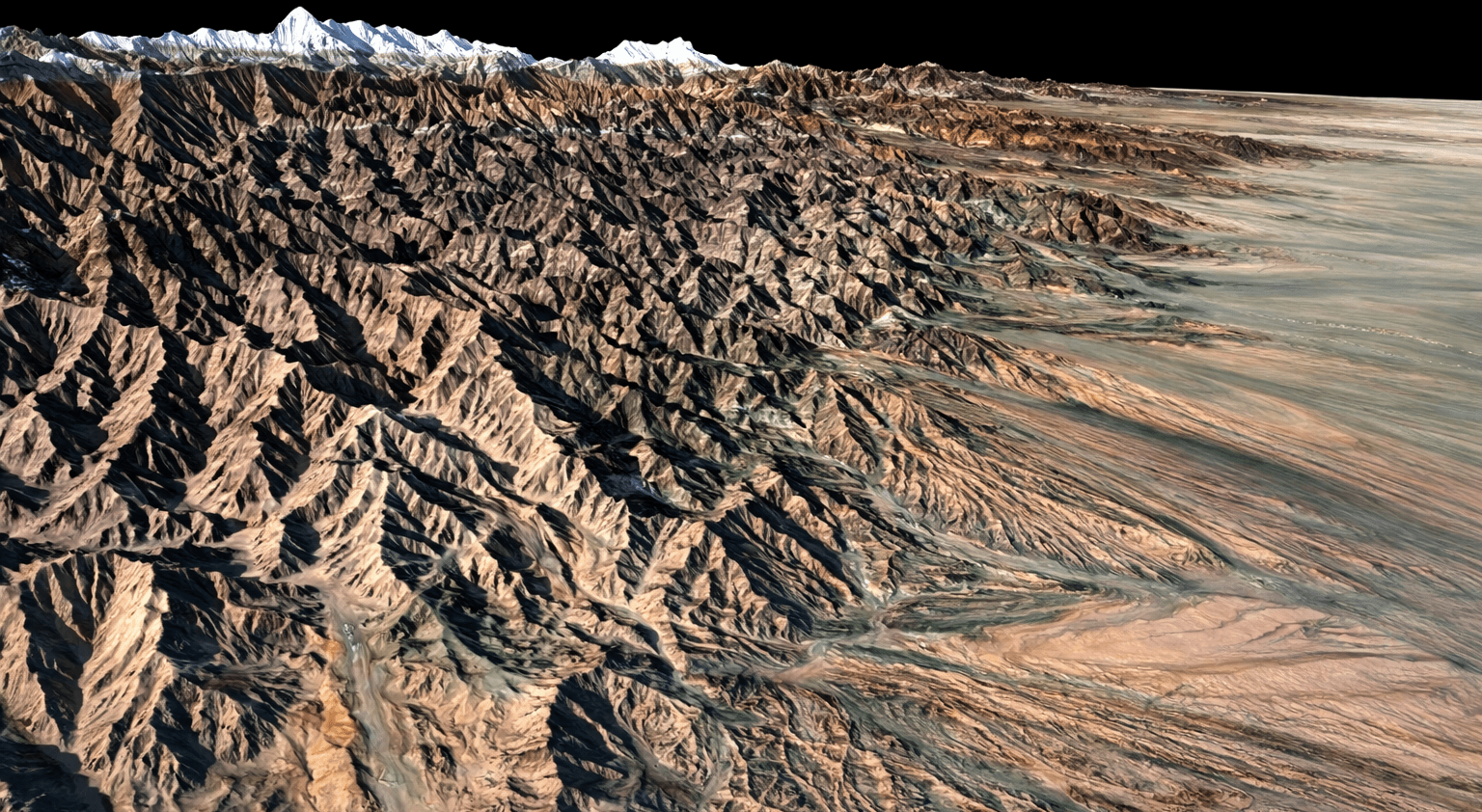
XRTech Group supports mining overburden planning by providing advanced satellite-based geospatial intelligence that helps mining companies analyze terrain, estimate soil and rock volumes, and plan the mining process before equipment deployment. This reduces field costs, improves decision-making, and ensures the mining overburden workflow aligns with environmental and operational goals. High-resolution satellite models help estimate overburden meaningfully and accurately, supporting efficient mine planning in both new and active mining projects.
1. Estimating and Calculating Overburden Volumes
XRTech Group uses remote sensing, satellite elevation data, and mining-specific analysis tools to estimate overburden in mining before excavation begins.
Key advantages include:
Overburden Estimation: Satellite mining imagery identifies topography, slope, and geological boundaries, helping determine how much mining overburden must be removed.
Volume Calculation: Digital Elevation Models (DEMs) support precise volume calculations for cut and fill operations. This helps reduce operational uncertainty and improve budget accuracy.
Planning Support: The geospatial data supports infrastructure layout, haul road design, and stockpile placement to optimize the mining process from early exploration to advanced extraction.
2. High-Accuracy Digital Elevation Models for Mine Planning
XRTech Group provides multiple elevation data products for mining overburden mapping and design:
DEM (Digital Elevation Model) for bare-earth terrain
DSM (Digital Surface Model) for surface features including vegetation and structures
DTM (Digital Terrain Model) refined for engineering and design
These models meet technical engineering requirements with vertical accuracy near ±3 m RMSE and data spacing ranging from 2–10 meters depending on the mining project scale. Mining teams use these models to analyze slope stability, drainage patterns, transport routes, ramp gradients, and workspace layout.
3. Rapid Satellite Data Acquisition and Delivery
XRTech Group provides elevation and terrain intelligence using its large satellite ecosystem, giving mining operations continuous access to current geospatial data.
Capabilities include:
130+ Optical and SAR Satellites: Ensures wide geographic coverage and frequent revisits.
All-Weather Imaging: SAR systems such as GF-3 SAR and LT-1 SAR capture terrain regardless of rain, cloud cover, dust, or smoke.
Fast Delivery Timelines: Custom DEM and analytics packages can be delivered in under 21 days, supporting mine development schedules and permitting phases.
This combination of rapid delivery and engineering-grade accuracy helps streamline feasibility studies, regulatory submissions, operational planning, and reclamation design.
Conclusion
Understanding overburden in mining and how it is handled, removed, stored, and rehabilitated is essential to surface mining operations. Mining overburden plays a major role in planning a mine’s operation, haul system design, and long-term environmental protection. Proper management supports cost efficiency, regulatory compliance, and responsible closure practices.
As mining continues to expand for critical minerals needed in energy systems, infrastructure, and advanced manufacturing, the industry must balance extraction efficiency with long-term environmental management. Overburden planning, reclamation, and digital monitoring now form core parts of modern mining processes.
XRTech Group supports this evolution by providing satellite monitoring, AI-ready geospatial data, and mine intelligence solutions that help organizations manage overburden, assess environmental change, and plan rehabilitation with accurate and continuous data.
Looking to modernize overburden monitoring, reclamation planning, or mining site intelligence?
Frequently Asked Questions
1. What is overburden in mining used for after removal?
Overburden may be stored, reused for reclamation, or used as liner material in tailings or infrastructure projects depending on its properties.
2. Does overburden contain valuable minerals?
Overburden meaning refers to material without economic value, although sometimes small traces of minerals may be present.
3. How is mining overburden different from tailings?
Overburden is unprocessed soil or rock, while tailings are a waste product from mineral processing.
4. Who regulates reclamation requirements?
Regulations vary by country and may include federal, regional, and environmental permitting systems.
5. Can reclaimed land support agriculture?
Yes. With proper soil conditioning and grading, reclaimed mines can support farming or grazing.
6. Is reclamation required in all mining operations?
Most regulated mining environments require reclamation plans before approval.
7. How long does reclamation take?
Timelines vary and depend on climate, soil quality, vegetation type, and regulatory standards.
8. What role does overburden play in reclamation?
Stored overburden is often reused to restore original topography and support vegetation.
9. Can technology help manage overburden and reclamation?
Yes. Satellite imagery, GIS, and remote sensing help track soil movement, erosion, and vegetation progress.
10. Why is reclamation considered part of the mining process?
Reclamation ensures responsible land stewardship, regulatory compliance, and support for sustainable post-mining land use.